Upholstery Cleaning in: A Practical, SEO-Friendly Approach to Cleaner, Healthier Furniture
Why Upholstery Cleaning Matters for Every Home and Business
Upholstery cleaning is one of those services people often delay until a sofa, armchair, or office chair starts looking visibly tired. Yet regular upholstery cleaning does far more than improve appearance. It helps remove dust, body oils, allergens, food particles, pet dander, and everyday grime that settle deep into fabric and padding. Over time, these contaminants can affect indoor air quality, create unpleasant odors, and shorten the life of your furniture.
Whether you manage a busy household or maintain a professional workspace, upholstery cleaning supports a cleaner, fresher, and more comfortable environment. It also helps preserve the original texture and color of your furniture, which is especially important for high-use pieces such as sofas, sectionals, dining chairs, and reception seating. Many people are surprised by how much better a room feels after a proper upholstery cleaning service.
In addition to the visible benefits, upholstery care can also protect your investment. Furniture is expensive, and replacing it too soon because of stains, odors, or wear is never ideal. With the right cleaning methods, many upholstered items can last for years longer while still looking attractive. That makes upholstery cleaning a smart choice for homeowners, landlords, property managers, and businesses alike.
What Upholstery Cleaning Actually Involves
Upholstery cleaning is the process of removing dirt, stains, oils, and allergens from fabric-covered furniture using methods suited to the material. Unlike simple vacuuming or spot wiping, professional upholstery cleaning reaches deeper into the fibers and padding. The goal is not only to clean the surface but also to refresh the entire piece without damaging the fabric structure.
Different upholstery materials require different treatments. Cotton, microfiber, wool blends, velvet, polyester, linen, synthetic fabrics, and leather all respond differently to moisture, detergents, heat, and agitation. That is why a one-size-fits-all approach does not work well. Effective upholstery cleaning begins with fabric identification, stain assessment, and a careful choice of cleaning method.
Common service steps may include dry soil removal, stain pre-treatment, hot water extraction, low-moisture cleaning, dry cleaning, or specialized leather conditioning. The right method depends on the furniture type, fabric label, and level of soiling. This is one reason why professional upholstery cleaning can deliver better results than generic household products.
Signs Your Furniture Needs Upholstery Cleaning
Many people wait until stains become obvious before scheduling upholstery cleaning, but there are several early signs that your furniture needs attention. One of the most common is a dull or uneven appearance. Fabric that once looked bright and fresh may start to appear flat, darkened, or worn in areas where people sit most often.
Another sign is odor. Upholstered furniture can trap smells from pets, cooking, smoke, spills, and general use. If a sofa still smells stale even after airing out the room, deep upholstery cleaning may be the solution. Odors often settle below the surface, so surface sprays only mask the issue temporarily.
Look out for visible debris as well. Crumbs, pet hair, dust, and lint often settle into seams and folds. In homes with children or pets, upholstery cleaning may be needed more frequently because furniture sees heavy daily use. Stains, sticky spots, and increased sneezing or allergy symptoms can also indicate that it is time for a thorough clean.
Common warning signs include:
- Persistent odors from food, pets, or smoke
- Noticeable stains or water marks
- Dust buildup in seams and cushions
- Fabric that looks faded or dirty
- Allergy flare-ups near furniture
- Flattened or greasy areas from repeated use
Benefits of Professional Upholstery Cleaning
Professional upholstery cleaning provides a level of care that household tools usually cannot match. Deep extraction and targeted stain treatment can remove contaminants trapped in the fibers, leaving furniture looking and smelling noticeably better. This is especially useful for items exposed to daily traffic, such as living room sofas and office chairs.
One major benefit is improved hygiene. Upholstery can harbor dust mites, allergens, bacteria, and other particles that build up over time. Regular upholstery cleaning helps reduce these hidden irritants and contributes to a healthier indoor environment. For households with allergy-sensitive occupants, this can make a real difference.
Professional cleaning also helps preserve fabric integrity. Using too much water, harsh chemicals, or the wrong technique can damage delicate upholstery. Skilled cleaners know how to match the process to the material, reducing the risk of shrinkage, discoloration, or fiber distortion. In other words, expert upholstery cleaning is about both cleanliness and care.
Additional benefits include:
- Longer furniture lifespan
- Better indoor appearance and freshness
- Reduced odors trapped in padding and fabric
- Improved comfort for daily use
- Better results on stubborn spots and embedded dirt
Popular Upholstery Cleaning Methods
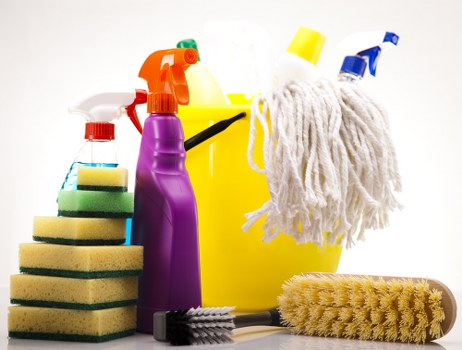
There are several methods used in upholstery cleaning, and the best one depends on the material and the condition of the furniture. The most common techniques include hot water extraction, low-moisture cleaning, dry cleaning, foam cleaning, and specialized leather care. Each has its strengths, and each should be chosen carefully.
Hot water extraction is often used for durable synthetic fabrics. It works by applying a cleaning solution and then extracting dirt and moisture with a powerful vacuum system. This method can produce excellent results when used correctly, but it is not ideal for every fabric.
Dry cleaning methods use minimal moisture and are often preferred for sensitive fabrics such as silk blends or certain natural materials. Low-moisture upholstery cleaning is useful when quick drying is important. Foam cleaning may be selected for fabrics that need gentle surface treatment without saturation. Leather upholstery requires its own specialized process, usually involving cleaning, conditioning, and protection.
Method selection often depends on:
- Fabric type and care label instructions
- Level of staining or soiling
- Furniture age and condition
- Drying time available
- Presence of pets, children, or heavy usage
Choosing the correct upholstery cleaning method is essential for achieving a refreshed result without unnecessary wear.
How Upholstery Cleaning Supports Indoor Air Quality
People often think of upholstery cleaning as a cosmetic service, but it can also play a meaningful role in indoor air quality. Fabric furniture collects airborne dust, pollen, pet dander, and tiny particles that settle over time. Each time someone sits down, those particles can be disturbed and re-enter the air.
When upholstery cleaning removes these trapped contaminants, the room can feel fresher and less stuffy. This is particularly important in enclosed spaces such as apartments, small offices, waiting rooms, and family living areas. If you are trying to reduce dust in your environment, regular upholstery cleaning is a sensible step.
Pairing upholstery cleaning with routine vacuuming, air filter replacement, and general housekeeping can create a noticeable improvement in overall cleanliness. For people who deal with allergies or sensitivities, maintaining clean furniture may help reduce common triggers. Cleaner furniture often means cleaner air.
Upholstery Cleaning for Different Fabric Types
Not all furniture fabrics respond the same way to cleaning. That is why upholstery cleaning should always be approached with attention to fabric type. Microfiber, for example, is usually durable and can often tolerate more moisture than delicate natural fibers. Cotton and linen may be more prone to staining or shrinkage if cleaned improperly.
Velvet and suede-like materials require extra caution because their nap can be damaged by rough brushing or excess liquid. Wool blends may need mild solutions and careful drying to prevent texture changes. Synthetic fabrics can be relatively forgiving, but they still benefit from proper testing and stain treatment. Upholstery cleaning for each type should respect the material’s unique characteristics.
Leather furniture is in a category of its own. It does not absorb liquids the same way as fabric, but it still collects dirt and body oils. Leather upholstery cleaning often involves gentle surface cleaning followed by conditioning to keep the material supple. Without conditioning, leather can dry out and crack over time.
Fabric-specific care matters because:
- Some materials shrink when over-wet
- Others can lose color or texture if scrubbed too hard
- Delicate fabrics may need pH-balanced solutions
- Leather requires conditioning after cleaning
Stain Removal and Spot Treatment in Upholstery Cleaning
Stains are one of the biggest reasons people seek upholstery cleaning. Food spills, coffee, wine, ink, makeup, pet accidents, and grease can all leave lasting marks if they are not treated properly. The key is to address stains with the right method rather than trying random household remedies that may spread the stain or damage the fabric.
Professional upholstery cleaning usually begins with stain identification. Some stains are protein-based, some are oily, and some are tannin-based. Each type needs a different treatment strategy. For example, a greasy stain may respond better to a targeted degreaser, while a beverage stain may need careful extraction and rinse control.
Quick action helps, but over-rubbing often makes the problem worse. Blotting, testing cleaning products in a hidden area, and using fabric-appropriate solutions are all important. The earlier upholstery cleaning is performed after a spill, the better the chance of restoring the fabric without residue or shadowing.
Useful stain-treatment principles:
- Blot instead of scrubbing
- Test cleaners on hidden areas first
- Avoid soaking the fabric
- Use the correct product for the stain type
- Allow adequate drying time after cleaning
How Often Should Upholstery Be Cleaned?
The ideal frequency for upholstery cleaning depends on how the furniture is used. A lightly used formal living room chair may only need attention once every 12 to 18 months. A sofa in a busy family room, however, may benefit from more frequent cleaning, especially if children or pets are present.
In commercial environments, upholstery cleaning schedules are often more regular. Office waiting areas, hospitality seating, and restaurant booths can accumulate dirt quickly because of constant traffic. Regular service helps maintain a professional appearance and can reduce wear caused by trapped grit and soil.
As a general rule, upholstery cleaning should be part of a broader maintenance plan rather than a one-time fix. Routine care helps prevent buildup, makes future cleanings easier, and supports better long-term results. Waiting too long often makes stains harder to remove and odors harder to eliminate.
DIY Upholstery Cleaning vs Professional Service
Some people prefer to handle upholstery cleaning themselves, and basic maintenance can absolutely be done at home. Vacuuming regularly, wiping small spills quickly, and using fabric-safe spot cleaners can help keep furniture in decent condition. For light surface dirt, DIY care may be enough between professional appointments.
However, upholstery cleaning becomes more complicated when stains are deep, odors are persistent, or the fabric is delicate. Home machines may leave too much moisture behind, which can lead to slow drying, water rings, or mildew growth. Store-bought products can also leave residues that attract more dirt over time.
Professional upholstery cleaning offers specialized equipment, trained fabric assessment, and appropriate cleaning agents. That can mean better stain removal, more even results, and less risk of damage. If you have expensive furniture, sentimental pieces, or upholstery with unknown fabric content, professional help is usually the safer choice.
DIY is often suitable for:
- Light dust and surface debris
- Small fresh spills
- Simple vacuum maintenance
- Spot cleaning on fabric labeled safe for home care
Professional cleaning is better for:
- Deep stains and odors
- Delicate or unfamiliar fabrics
- Heavy traffic furniture
- Allergy reduction and deep sanitizing goals
Preparing Your Furniture for Upholstery Cleaning
Before upholstery cleaning begins, a little preparation can improve the final result. Start by removing loose items such as throw pillows, blankets, and small decorative pieces. Vacuum around and under the furniture if possible, and clear nearby surfaces so the cleaning area is easier to access.
If there are known stains or problem spots, point them out in advance so they can receive the right pre-treatment. It also helps to check the furniture’s care tag if available. Labels such as W, S, WS, or X indicate whether water-based cleaners, solvent-based cleaners, or vacuum-only methods are recommended.
Good preparation supports a smoother upholstery cleaning process and can help reduce drying time. It also makes it easier for cleaners to work efficiently and thoroughly. If you are scheduling a service, ask whether any specific steps are needed before arrival. Simple preparation can make a noticeable difference.
Aftercare: Keeping Upholstery Cleaner for Longer
Once upholstery cleaning is complete, a few simple habits can help your furniture stay cleaner for longer. Vacuum regularly using a soft brush attachment to remove loose dust and crumbs. Address spills quickly by blotting the area rather than rubbing it. Rotate cushions if possible to even out wear patterns.
Using washable throws or protective covers in high-traffic areas can also help extend the time between full upholstery cleaning appointments. If you have pets, consider brushing them regularly and keeping them off certain pieces when possible. Small preventive steps often go a long way.
It is also wise to keep food and drinks away from the most absorbent or delicate furniture, especially on lighter fabrics. Even when accidents happen, a consistent care routine helps preserve the results of professional upholstery cleaning. When furniture is treated properly, it stays fresher, cleaner, and more comfortable to use.
Why Upholstery Cleaning Is Worth the Investment
When you consider the cost of replacing sofas, chairs, and other upholstered items, regular upholstery cleaning is a practical investment. It helps protect furniture that may otherwise wear out too quickly from dirt buildup, friction, and staining. Clean furniture also contributes to a more welcoming atmosphere in homes and businesses.
There is also a visual benefit that should not be overlooked. A clean sofa can make an entire room look brighter and more polished. In business settings, upholstery cleaning helps present a professional image to clients, customers, and guests. That can support trust and comfort before anyone says a word.
For many people, upholstery cleaning is not just about removing dirt. It is about maintaining a healthier, more attractive, and more enjoyable environment. Whether you are refreshing a single accent chair or multiple seating areas, the value is clear. Well-maintained upholstery simply lasts better and looks better.
Choosing the Right Upholstery Cleaning Service
If you decide to hire a professional, look for a service that understands fabric types, stain treatment, and safe cleaning practices. Experience matters because upholstery cleaning requires more than powerful equipment; it requires judgment, technique, and attention to detail. A good provider should know how to assess material, test products, and choose the proper method.
It is also helpful to ask about drying expectations, odor removal, and whether protective treatments are available after cleaning. Some furniture may benefit from fabric protection to help resist future spills and staining. While not every piece needs the same treatment, the right approach can improve long-term maintenance.
Ultimately, quality upholstery cleaning should leave your furniture cleaner, fresher, and better preserved. If your sofas or chairs are overdue for attention, now is a smart time to act. Contact us today or Book your service now to restore comfort, freshness, and appearance to your upholstered furniture.
Final Thoughts on Upholstery Cleaning
Upholstery cleaning is one of the most effective ways to improve the look, feel, and hygiene of the furniture you use every day. From stain removal and odor control to allergen reduction and fabric preservation, the benefits are both immediate and long-lasting. It is a service that supports comfort, appearance, and value in equal measure.
Whether your priority is a cleaner home, a more professional office, or simply extending the life of your favorite sofa, upholstery cleaning deserves a place in your maintenance routine. With the right care, your furniture can continue to look inviting and perform well for years. If you have been putting it off, now is the perfect time to take action and enjoy the difference a fresh, professionally cleaned piece can make.
Contact us today or Book your service now to give your upholstery the attention it needs.