Regular Cleaning: The Key to a Healthier, Fresher, and More Productive Space
Regular cleaning is one of the simplest and most effective ways to maintain a healthy, attractive, and comfortable environment. Whether you are caring for a home, office, retail space, or shared facility, regular cleaning helps reduce buildup, improve air quality, and support a more organized lifestyle. Many people think of cleaning as a once-in-a-while task, but the reality is that consistent upkeep prevents bigger problems from developing later.
From dust control to sanitation, regular cleaning supports both appearance and wellbeing. A tidy space feels more welcoming, smells fresher, and functions better day to day. In homes, it can make routines easier and reduce stress. In workplaces, it can improve morale, productivity, and customer impressions. The benefits of regular cleaning reach far beyond neatness, making it an essential habit for modern living.
As more people look for practical ways to improve their environment, the demand for effective cleaning routines continues to grow. A consistent schedule can transform even the busiest areas into places that feel safe and well cared for. If you want a cleaner environment, better maintenance, and fewer long-term issues, regular cleaning is the foundation.
Why Regular Cleaning Matters
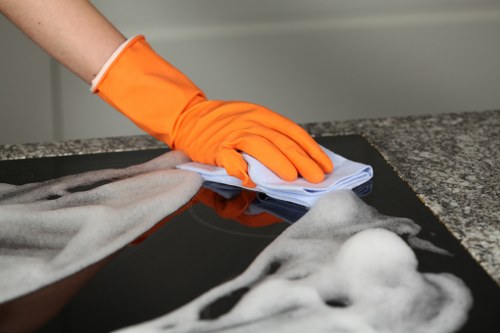
Regular cleaning matters because dirt, dust, grease, and germs build up quickly when spaces are ignored. Even areas that appear clean can hide allergens, bacteria, and odors. Over time, neglected surfaces may stain, equipment may wear out faster, and the overall atmosphere can become unpleasant. Consistent cleaning keeps these issues under control before they become expensive or time-consuming.
Another major reason regular cleaning is important is that it creates a healthier environment. Dust mites, mold spores, and airborne particles can affect breathing and trigger allergies. In kitchens and bathrooms, germs can spread easily if sanitation is not maintained. By keeping up with cleaning tasks, you reduce the risk of contamination and make the space safer for everyone who uses it.
Health, comfort, and presentation
Regular cleaning also influences how a space looks and feels. A polished, organized area makes a positive impression on visitors, customers, or family members. It suggests care, professionalism, and attention to detail. In homes, this creates more comfort and less clutter. In businesses, it can strengthen brand image and customer trust. A clean space is not just visually pleasing; it communicates value and responsibility.
The Long-Term Benefits of Regular Cleaning

One of the biggest advantages of regular cleaning is prevention. Routine upkeep helps stop minor messes from turning into major maintenance issues. A little attention each day or week can protect flooring, furniture, appliances, and fixtures from premature wear. This saves money over time and extends the life of your belongings.
Regular cleaning can also reduce stress. Cluttered or dirty spaces often create mental overload, making it harder to focus or relax. A clean environment supports better concentration and a greater sense of control. Many people notice that when they keep up with regular cleaning, their entire routine becomes smoother and more manageable.
In addition, regular cleaning supports better organization. When surfaces are cleared and items are returned to their proper place, it becomes easier to find what you need. This improves efficiency at home and in the workplace. Whether you are preparing meals, helping customers, or managing daily tasks, cleanliness contributes to smoother operations and better results.
Practical value that lasts
- Reduces buildup of dirt and grime
- Helps prevent odors and stains
- Supports healthier air quality
- Improves the lifespan of furniture and surfaces
- Makes daily routines easier and faster
Regular Cleaning for Homes
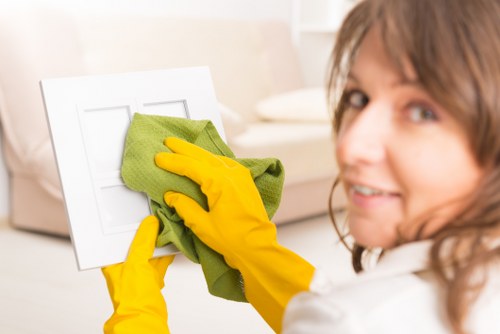
In a home setting, regular cleaning plays an especially important role. Family life creates constant activity, which means messes happen every day. Kitchens collect crumbs and grease, bathrooms need sanitation, and living areas attract dust and clutter. Without a steady cleaning routine, these tasks can pile up quickly and become overwhelming.
A successful home cleaning schedule does not need to be complicated. The key is consistency. Small daily habits, such as wiping counters, sweeping floors, and putting items away, can make a big difference. Weekly tasks can include vacuuming, laundry, mopping, and disinfecting key surfaces. Monthly cleaning may involve deeper attention to vents, baseboards, and storage areas.
Common household areas that need attention
Some rooms require more frequent care than others. Kitchens and bathrooms are high-priority spaces because they are used often and can harbor germs. Bedrooms benefit from dust removal and linen changes. Entryways should be kept clear to reduce tracked-in dirt. Living rooms and common areas often need vacuuming, dusting, and clutter control. Regular cleaning in the home creates a healthier and more peaceful atmosphere for the entire household.
Helpful home cleaning tasks often include:
- Dusting furniture and fixtures
- Vacuuming carpets and rugs
- Cleaning kitchen surfaces and appliances
- Sanitizing bathroom sinks, toilets, and counters
- Washing bedding and towels regularly
Regular Cleaning in Offices and Workspaces
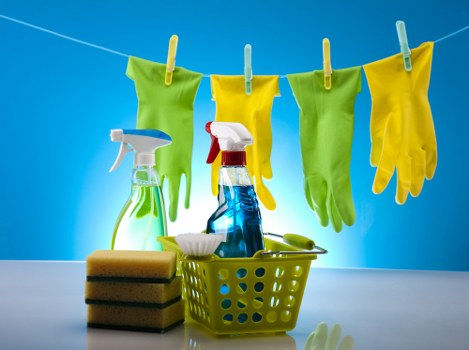
Workplaces benefit enormously from regular cleaning. Offices, meeting rooms, waiting areas, and shared kitchens all collect dirt and germs throughout the day. When these spaces are cleaned consistently, employees are more likely to feel comfortable and focused. Clients and visitors also notice the difference immediately. A well-maintained workplace reflects a commitment to professionalism and care.
In office environments, regular cleaning helps reduce the spread of illness. Shared desks, keyboards, door handles, and break rooms can become hotspots for bacteria if they are not cleaned often. This can lead to higher absenteeism and reduced productivity. Scheduled cleaning routines help protect staff wellbeing and support smoother business operations.
How office cleaning improves business performance
Clean workplaces can influence performance in subtle but meaningful ways. Employees often work better in an organized environment because there are fewer distractions. Clean floors and surfaces also improve safety by reducing slip hazards and clutter. In customer-facing businesses, regular cleaning can increase trust and make the space feel more welcoming. A clean office is an investment in efficiency, morale, and reputation.
Areas that should never be overlooked
- Desks and workstations
- Shared electronics and touchpoints
- Restrooms and break rooms
- Reception and waiting areas
- Floors, carpets, and entry zones
What Regular Cleaning Includes
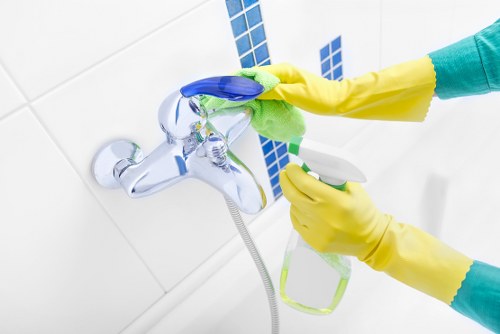
Regular cleaning can include a wide range of tasks depending on the property and its use. For some spaces, it may focus on basic tidying and sanitation. For others, it may involve more detailed attention to surfaces, materials, and high-traffic zones. The goal is not just to make a place look neat, but to maintain it properly over time.
Typical regular cleaning activities include dusting, vacuuming, mopping, wiping surfaces, trash removal, and disinfecting commonly touched areas. In kitchens, this can also involve cleaning sinks, counters, stovetops, and exterior appliance surfaces. In bathrooms, it may include scrubbing toilets, mirrors, sinks, and tiled areas. In offices, it often includes sanitizing desks and shared equipment.
Regular cleaning may also involve minor organizing and spot treatment. Picking up clutter, cleaning spills quickly, and addressing marks before they set in can prevent more difficult jobs later. This proactive approach keeps spaces looking better for longer and reduces the need for intensive deep cleaning as often.
Routine vs. deep cleaning
Routine cleaning focuses on frequent maintenance, while deep cleaning targets hidden buildup and hard-to-reach areas. Both are important, but routine care makes deep cleaning more effective and less necessary too often. When regular cleaning is done well, it supports a cleaner baseline that benefits the entire property.
- Routine cleaning: daily or weekly upkeep
- Deep cleaning: periodic intensive attention
- Preventive care: stopping dirt before it spreads
- Spot cleaning: handling messes as soon as they occur
Building an Effective Cleaning Routine
Creating a good cleaning routine starts with understanding how the space is used. High-traffic areas need more frequent attention, while less-used spaces may only need light upkeep. A practical plan should be realistic, flexible, and easy to follow. If the routine is too complicated, it becomes difficult to maintain. If it is too light, problems may still build up over time.
One effective method is to divide tasks into daily, weekly, and monthly categories. Daily tasks keep visible mess under control, weekly tasks handle broader maintenance, and monthly tasks address deeper care. This structure makes regular cleaning feel more manageable and reduces the chance of overlooking important areas. It also helps create consistency, which is the real secret to long-term cleanliness.
Sample cleaning schedule
Below is a simple example of how a routine can be organized:
Daily tasks
- Wipe counters and tables
- Sweep or vacuum high-use areas
- Take out trash
- Put items back in place
Weekly tasks
- Mop floors
- Clean bathrooms thoroughly
- Dust surfaces and electronics
- Wash linens or fabric items
Monthly or seasonal tasks can include cleaning behind appliances, washing windows, organizing storage, and treating areas that collect hidden dust. Regular cleaning works best when it is proactive rather than reactive.
Why Consistency Matters More Than Intensity
Many people assume cleaning has to be done all at once to be effective, but that is rarely true. Consistency is more valuable than intensity. A space that receives small, regular attention will usually stay in better condition than one that is cleaned deeply only once in a while. This is especially true in busy homes and workplaces where messes appear constantly.
When regular cleaning becomes part of a routine, it takes less effort overall. Surfaces do not have time to collect layers of dirt, and spills are less likely to leave permanent marks. Consistency also makes tasks easier to distribute. Instead of facing one exhausting cleanup session, you can handle smaller jobs gradually and keep the environment under control.
Small habits that make a big difference
Some of the most effective cleaning habits are simple. Wiping after use, cleaning spills immediately, and putting items away as soon as possible can save time later. These habits support regular cleaning and help maintain a tidy environment without requiring excessive effort. Over time, they become second nature and make the entire space easier to manage.
For busy households and workplaces, consistency also provides peace of mind. Knowing that cleaning is handled regularly reduces anxiety and helps people focus on their priorities. It creates an environment where cleanliness is part of everyday life rather than a stressful project that always feels overdue.
Regular Cleaning and Healthier Indoor Air
Indoor air quality is often affected by dust, pet dander, mold spores, and other particles that accumulate in enclosed spaces. Regular cleaning helps reduce these contaminants before they circulate too widely. Vacuuming, dusting, and wiping surfaces can make a noticeable difference in how fresh and breathable a room feels.
This matters for people with allergies, asthma, or other respiratory sensitivities. Even in spaces without obvious issues, poor air quality can affect energy levels and comfort. Regular cleaning helps create a healthier atmosphere by reducing the particles that settle on surfaces and become airborne again through movement and ventilation.
Ways cleaning supports air quality
- Removes dust before it spreads
- Reduces allergens from fabric and flooring
- Helps control mold in damp areas
- Minimizes odors from waste and spills
- Supports cleaner ventilation over time
Keeping filters, vents, and high-dust areas clean also supports overall indoor air freshness. When regular cleaning is combined with good ventilation, the result is a more comfortable and inviting space for everyone.
How Regular Cleaning Supports Property Value
Clean properties tend to hold their value better because they are maintained with care. Dirt and neglect can quickly damage surfaces, stain fabrics, and wear down finishes. On the other hand, regular cleaning helps preserve the appearance and condition of floors, walls, furniture, and fixtures. This is valuable whether you are maintaining a personal home, rental space, or commercial property.
For homeowners, regular upkeep can reduce the chance of costly repairs and make the property more appealing in the future. For landlords and business owners, it helps maintain a professional image and extend the life of materials and equipment. In both cases, regular cleaning is a practical way to protect your investment.
Clean spaces send the right message
A well-kept property suggests that the owner pays attention to detail and takes maintenance seriously. This matters to guests, customers, tenants, and potential buyers. Cleanliness can influence how people perceive quality, comfort, and reliability. That is why regular cleaning is not just a chore—it is a maintenance strategy that supports long-term value.
If you want a space that looks better, lasts longer, and feels easier to manage, it is worth making cleaning a consistent priority. Book your service now if you are ready to keep your property in top condition, or contact us today to take the next step toward a cleaner environment.
Making Regular Cleaning Easier
Although cleaning can feel like a never-ending task, there are many ways to make it easier. Start by using the right tools and keeping supplies accessible. When everything is organized and within reach, it becomes simpler to complete tasks quickly. Good tools do not replace effort, but they do make regular cleaning more efficient.
Another helpful approach is to break larger chores into smaller steps. Instead of trying to clean an entire room in one exhausting session, focus on one surface, one zone, or one category at a time. This makes progress feel more achievable and helps prevent burnout. A few focused minutes each day often produce better results than occasional marathon cleaning sessions.
Smart habits that reduce cleaning stress
- Keep supplies in commonly used areas
- Use checklists for repeat tasks
- Set a timer for quick cleaning sessions
- Address messes immediately when possible
- Rotate deeper tasks into a monthly plan
Regular cleaning becomes easier when it is built into the rhythm of the day. Instead of treating it as a burden, think of it as ongoing care for the spaces you use most.
The Role of Professional Cleaning Support
While many tasks can be handled internally, professional help can make regular cleaning more effective and less stressful. Trained cleaning teams can provide reliable maintenance for homes, offices, and other properties, especially when time is limited or standards are high. Their experience helps ensure that important details are not missed.
Professional support can also be useful for larger spaces or environments with frequent traffic. These settings often need more than simple tidying. They require a structured approach that keeps up with demand and prevents buildup. In these situations, regular cleaning with expert assistance can save time and improve results.
When outside support can help
Consider additional cleaning support when you need:
- Consistent upkeep in a busy environment
- Better sanitation in shared spaces
- More time for work, family, or operations
- Support with high-touch or high-traffic areas
- Reliable maintenance that fits a schedule
Whether handled personally or with professional assistance, the goal remains the same: maintain a space that is clean, healthy, and presentable. If you are ready to improve your environment, contact us today and book your service now to keep regular cleaning on track.
Conclusion: Make Regular Cleaning a Priority
Regular cleaning is more than a routine task. It is a practical habit that protects health, improves comfort, supports productivity, and preserves property value. From homes and offices to retail spaces and shared facilities, consistent cleaning creates better results than occasional effort alone. It helps prevent problems, reduces stress, and keeps everyday environments working the way they should.
By building a simple and realistic cleaning schedule, you can enjoy the benefits of a fresher, safer, and more organized space. Whether you focus on daily maintenance, weekly upkeep, or periodic deep care, the key is staying consistent. Regular cleaning is one of the smartest investments you can make in the spaces you rely on every day.
Now is the perfect time to take action. Create a routine, stay consistent, and protect the quality of your surroundings. If you are ready to move forward, contact us today or book your service now to make regular cleaning easier and more effective.