Deep Cleaning: The Smart Way to Refresh Your Space
When a home or business starts to feel dull, dusty, or harder to maintain, deep cleaning is often the answer. Unlike routine tidying or surface-level cleaning, deep cleaning targets the hidden buildup that collects over time in corners, behind appliances, on baseboards, inside cabinets, and in places people often overlook. A thorough approach to deep cleaning not only improves appearance but also supports better hygiene, fresher air, and a more comfortable environment.
Many people search for deep cleaning services when regular cleaning no longer feels enough. That makes sense. Life gets busy, dust settles, grease builds up, and clutter can hide grime in plain sight. Whether you are preparing for guests, moving in or out, restoring a property, or simply wanting a healthier home, deep cleaning can make a noticeable difference. It is also one of the most effective ways to reset a space and bring back that just-cleaned feeling.
In this article, we will explore what deep cleaning includes, why it matters, how to plan for it, and which areas deserve the most attention. You will also learn how to maintain results after the job is done so your space stays cleaner for longer.
What Is Deep Cleaning?
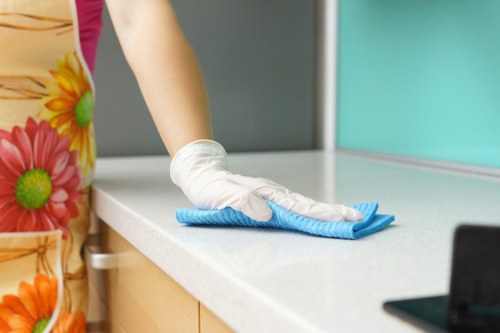
Deep cleaning is a detailed cleaning process that goes beyond everyday chores. It focuses on grime, buildup, dust, and bacteria that collect in less obvious areas over time. While regular cleaning may include wiping counters, vacuuming floors, and cleaning bathrooms quickly, deep cleaning addresses neglected spots and stubborn residue that require more time and effort.
The goal of deep cleaning is not just to make a space look neat, but to restore cleanliness at a deeper level. This often includes scrubbing tile grout, cleaning inside appliances, washing baseboards, removing dust from vents, and sanitizing high-touch surfaces. For many households and commercial properties, deep cleaning services are scheduled seasonally, before special events, or when a property needs a fresh start.
It is helpful to think of deep cleaning as a reset button. It reaches the places that daily maintenance cannot always keep up with and creates a cleaner, healthier foundation for ongoing upkeep.
Why Deep Cleaning Matters

There are many reasons people invest in deep cleaning. One of the biggest is hygiene. Dust, mold spores, grease, pet dander, and allergens can build up over time and affect the comfort of a space. A proper deep cleaning helps reduce these irritants, which can be especially valuable for households with children, older adults, or anyone sensitive to dust and allergens.
Another reason is appearance. Even a home that is cleaned regularly can still look tired if corners, fixtures, and hidden areas are neglected. Deep cleaning restores shine to surfaces, brightens rooms, and creates a more polished look overall. This matters in homes, rental properties, offices, retail locations, and event spaces alike.
Deep cleaning services can also save time in the long run. When dirt and residue are removed thoroughly, daily maintenance becomes easier. Floors stay cleaner, surfaces wipe down more quickly, and appliances work more efficiently when buildup is reduced. In other words, a single deep cleaning session can support better long-term cleanliness.
Key Areas to Focus on During Deep Cleaning
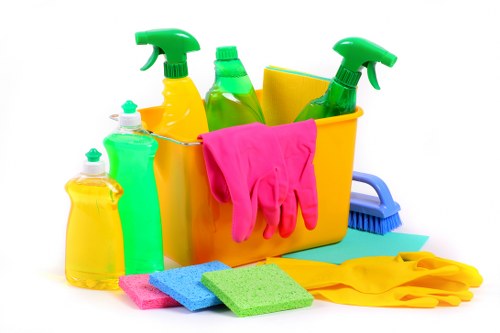
Because deep cleaning is more detailed than standard cleaning, it helps to know which areas should receive extra attention. The exact checklist may vary depending on the space, but certain areas are almost always worth targeting.
Kitchen
The kitchen is one of the most important rooms for deep cleaning because it collects grease, crumbs, food residue, and odors. Cabinets, countertops, backsplashes, sinks, and appliances should all be cleaned thoroughly. Pay special attention to the inside and outside of the oven, refrigerator, microwave, and dishwasher.
Kitchen deep cleaning often includes:
- Removing items from cabinets and wiping shelves
- Cleaning behind and beneath appliances
- Degreasing stovetops and range hoods
- Scrubbing sink drains and faucets
- Sanitizing trash bins and high-touch areas
Bathrooms
Bathrooms require detailed cleaning because moisture can lead to soap scum, mildew, and mineral buildup. A deep cleaning routine should include tile, grout, toilets, showers, tubs, mirrors, and vanities. Fixtures should be polished, and vents should be dusted to help reduce humidity-related buildup.
Living Areas and Bedrooms
In living rooms and bedrooms, deep cleaning should focus on dust removal, upholstery care, under-furniture cleaning, and baseboards. Curtains, blinds, ceiling fans, and light fixtures also collect dust and can affect indoor air quality if ignored for too long.
How Deep Cleaning Differs from Regular Cleaning

Many people use the terms interchangeably, but there is a clear difference between regular cleaning and deep cleaning. Regular cleaning is usually about maintenance. It includes the tasks you do weekly or daily to keep a space manageable. Deep cleaning goes further and removes the buildup that develops when maintenance is not enough.
Regular cleaning may include vacuuming, sweeping, mopping, dusting visible surfaces, and wiping down counters. By contrast, deep cleaning includes detailed work such as washing walls, cleaning inside cupboards, scrubbing grout, and reaching behind heavy furniture. It usually takes longer and requires more specific tools and products.
This difference is important because a space can look clean on the surface while still holding dirt in less obvious areas. If a home or office still feels stale after routine cleaning, that is often a sign that deep cleaning services could provide the refresh it needs.
Common Signs You Need Deep Cleaning
You may benefit from a deep clean if you notice any of the following:
- Persistent dust on surfaces soon after cleaning
- Lingering odors in kitchens, bathrooms, or carpets
- Visible grime around fixtures, vents, or baseboards
- Stained grout or dull floors
- Cluttered storage areas with accumulated dirt
- Allergy flare-ups indoors
Benefits of Professional Deep Cleaning Services
While many people handle some aspects of deep cleaning themselves, professional help can be a smart choice when the job is large, time-consuming, or needs specialized care. Professional deep cleaning services bring experience, structure, and efficiency to the process. They often use stronger tools, more effective methods, and a proven system to reach areas that are easy to miss.
One major benefit is consistency. Trained cleaners know how to follow a methodical process so important areas are not overlooked. They also understand which products and techniques are suitable for different surfaces, helping prevent damage to delicate materials such as natural stone, hardwood, or upholstery.
Another benefit is convenience. Deep cleaning can take several hours or even an entire day, depending on the size of the property. Hiring professional deep cleaning services allows homeowners, tenants, and business owners to focus on work, family, or other priorities while the space receives detailed attention.
Situations Where Professional Help Makes Sense
Professional deep cleaning is especially useful for:
- Move-in and move-out cleaning
- Seasonal cleaning resets
- Post-renovation cleanup
- Pre-event preparation
- Rental turnover cleaning
- Homes with pets, kids, or heavy daily use
Step-by-Step Deep Cleaning Process
If you are planning a deep cleaning session, having a structured process helps you stay organized and efficient. The best approach is usually to work from top to bottom and from one room to the next so dirt falls onto surfaces that have not yet been cleaned.
1. Declutter First
Start by removing unnecessary items from counters, tables, floors, and shelves. Clutter makes deep cleaning slower and can hide dirt underneath. Put away items that belong elsewhere, and set aside anything that needs to be donated, discarded, or stored.
2. Dust High to Low
Dust ceiling fans, vents, light fixtures, shelves, and ledges before moving to lower areas. This prevents dust from falling onto freshly cleaned surfaces. A microfiber cloth or dusting tool can make this step more effective.
3. Clean Hard Surfaces Thoroughly
Wipe walls, doors, baseboards, trim, counters, and cabinets. This is where deep cleaning often reveals surprising buildup. Sticky residue, fingerprints, and splashes can accumulate gradually and become more visible once removed.
4. Focus on Detailed Areas
Now tackle the spots that regular cleaning rarely covers. Clean inside appliances, scrub grout, wash switch plates, polish fixtures, and vacuum under furniture. This is the heart of deep cleaning services and where the most visible transformation often happens.
5. Finish with Floors
Vacuum carpets, rugs, and upholstered furniture. Sweep and mop hard floors carefully, paying attention to corners and edges. If needed, use spot treatment for stains or professional floor care for more stubborn buildup.
Tools and Products That Support Effective Deep Cleaning
Having the right supplies makes deep cleaning much easier. You do not always need expensive products, but you do need tools that help you reach hidden areas and remove buildup efficiently.
Useful Deep Cleaning Supplies
- Microfiber cloths
- Scrub brushes and grout brushes
- Vacuum with attachments
- Mop and bucket
- Degreasing cleaner
- All-purpose cleaner
- Glass cleaner
- Disinfectant for high-touch surfaces
- Sponges and non-abrasive pads
- Protective gloves
Choosing the right product matters just as much as choosing the right tool. For example, natural stone requires gentle cleaners, while kitchen grease may need a stronger degreasing solution. Always read labels carefully and test products in a small area when in doubt.
Deep cleaning services often bring specialized equipment such as steamers, extraction machines, or commercial-grade vacuums. These can be especially useful for carpets, upholstery, and heavily used spaces.
Deep Cleaning for Homes, Offices, and Rentals
Deep cleaning is valuable in many settings, not just private homes. Different spaces have different needs, but the principle is the same: remove buildup, improve hygiene, and restore a cleaner environment.
Residential Spaces
In homes, deep cleaning often focuses on family areas, kitchens, bathrooms, bedrooms, and storage spaces. Residential deep cleaning is often scheduled before holidays, after busy seasons, or during spring cleaning periods. It can also help a household feel calmer and more organized.
Office Spaces
Offices benefit from deep cleaning services because shared environments can accumulate dust, germs, and clutter quickly. Workstations, conference rooms, break areas, restrooms, and lobby spaces often require detailed care. A cleaner office can also support a more professional atmosphere for employees and visitors.
Rental Properties
For rentals, deep cleaning is often essential between tenants. It helps the property feel fresh, supports better presentation, and can reduce complaints during move-in. Landlords and property managers often use deep cleaning to prepare units for the next occupant efficiently.
How Often Should Deep Cleaning Be Done?
The ideal schedule for deep cleaning depends on how the space is used. A busy household with children and pets may need deeper attention more often than a rarely used space. Similarly, a business with heavy traffic may need more frequent deep cleaning services than a small office with limited occupancy.
As a general rule, many people choose deep cleaning quarterly, seasonally, or at least a few times per year. Kitchens and bathrooms may need extra attention more often, especially if there is frequent cooking, moisture, or heavy use. High-traffic areas can also benefit from periodic maintenance in between full cleanings.
Rather than waiting until buildup becomes overwhelming, it is smart to schedule deep cleaning before grime becomes difficult to manage. This approach saves time and helps preserve the condition of surfaces and fixtures over time.
Tips for Keeping Results Longer After Deep Cleaning
A successful deep cleaning session feels amazing, but the goal is to keep that freshness going for as long as possible. A few simple habits can make the results last much longer.
Practical Maintenance Tips
- Wipe spills immediately before they dry
- Do quick daily tidy-ups in kitchens and bathrooms
- Dust and vacuum on a regular schedule
- Use doormats to reduce dirt tracked indoors
- Clear clutter before it builds up
- Ventilate rooms to help reduce odors and moisture
- Stay consistent with weekly cleaning tasks
These habits work well because they reduce the rate at which grime returns. In many cases, a little consistency can extend the life of your deep cleaning results significantly.
It also helps to inspect problem areas regularly. If you notice soap scum beginning to return in the bathroom or grease starting to build in the kitchen, address it early. That keeps the next deep cleaning session much easier and faster.
Why Deep Cleaning Improves Comfort and Peace of Mind
A cleaner environment does more than improve appearance. Deep cleaning often makes a space feel more peaceful, organized, and enjoyable to use. People frequently report that after a thorough clean, their home feels lighter and easier to maintain. That emotional benefit is just as important as the visible results.
When a room is free from buildup and clutter, it becomes easier to relax, focus, and move through daily routines. This matters in homes where people spend a lot of time, and it matters just as much in offices or commercial spaces where productivity and presentation are important. A well-maintained space can have a positive effect on daily life.
For many property owners, deep cleaning services are not simply about appearances. They are about creating a healthier, more manageable environment that supports comfort and confidence every day.
Choosing the Right Deep Cleaning Approach
Not every space needs the same level of attention, and not every deep cleaning job should be approached the same way. The best plan depends on the property size, surface materials, level of buildup, and the purpose of the cleaning. A small apartment may need a focused reset, while a larger home or office may require a room-by-room strategy.
If you are doing it yourself, start with the areas that create the biggest impact: kitchen, bathrooms, floors, and high-touch surfaces. Then move on to hidden spots such as behind furniture, under sinks, and inside storage areas. If the task feels too large or time-sensitive, professional deep cleaning services may be the better option.
The most important thing is to be thorough. A real deep cleaning should leave the space noticeably fresher, cleaner, and easier to care for afterward.
Final Thoughts on Deep Cleaning
Deep cleaning is one of the best ways to restore order, hygiene, and freshness to a property. It goes well beyond surface tidying and addresses the hidden grime that affects how a space looks, smells, and feels. Whether you are maintaining a home, preparing a rental, or refreshing a workplace, the benefits are clear.
From kitchens and bathrooms to baseboards, vents, and furniture, deep cleaning helps create a healthier and more pleasant environment. It can improve indoor comfort, make regular upkeep easier, and support a more polished appearance overall. For many people, it is the difference between a space that looks okay and a space that truly feels clean.
If your environment is overdue for a reset, do not wait. Make a plan, prioritize the areas that need attention most, and consider professional deep cleaning services when you want reliable results. Book your service now or contact us today to take the next step toward a cleaner, fresher space.