Oven Cleaning in the Home: A Practical, SEO-Friendly Look at a Cleaner Kitchen
Oven cleaning is one of those household tasks that many people delay until the buildup becomes impossible to ignore. Whether you cook every day or only use your oven for weekend meals, grease, burnt-on food, and lingering odors can quickly affect performance and appearance. Oven cleaning is not only about making your appliance look good; it also helps support better cooking results, improves energy efficiency, and can extend the life of the oven itself. If you are searching for practical advice on oven cleaning, this article explains what matters, why it matters, and how to keep your oven in top condition without unnecessary stress.
Modern kitchens rely on ovens for everything from quick dinners to holiday feasts, which means cleanliness plays a major role in everyday cooking. A well-maintained oven can heat more evenly, reduce smoke, and prevent old residue from transferring unwanted flavors to your food. Many homeowners assume that oven cleaning is a difficult or time-consuming chore, but with the right approach it becomes far more manageable. In fact, a routine cleaning plan can make the entire process simpler and less expensive over time.
Beyond the obvious visual benefits, regular oven cleaning can reduce fire risks associated with excessive grease and food particles. It can also help keep unpleasant smells out of your kitchen and prevent stains from becoming permanent. For households with busy schedules, knowing the basics of oven cleaning is especially useful because it allows you to maintain a hygienic cooking space without unnecessary downtime. From light wipe-downs to deep cleaning sessions, the right strategy depends on how often you use the oven and what type of messes build up inside.
Why Oven Cleaning Matters for Every Kitchen

Oven cleaning is often overlooked until something starts smoking or burning during cooking, but by then, residue has usually accumulated across the interior surfaces, racks, and door glass. Food splatters can carbonize under high heat, making them much harder to remove later. Regular cleaning prevents this stubborn buildup and makes routine maintenance less labor-intensive.
There are also practical benefits that go beyond appearance. A clean oven can improve temperature consistency, which is important when baking cakes, roasting vegetables, or cooking meat. Dirty heating elements and coated surfaces can interfere with efficient heat distribution. For this reason, consistent oven cleaning helps your appliance work the way it should.
Another reason oven cleaning matters is hygiene. Grease, spilled sauces, and crumbs can attract bacteria and create an unpleasant environment inside a food-preparation appliance. While the high temperatures inside an oven do reduce many risks, they do not eliminate the need for cleanliness. A regular cleaning schedule is one of the simplest ways to support a healthier kitchen.
Signs Your Oven Needs Attention
It is not always obvious when to schedule an oven cleaning session, especially if the exterior still looks fine. However, several telltale signs indicate that your oven needs attention. Smoke during preheating or cooking is one of the clearest warnings, especially if you are not using very greasy ingredients. That smoke often comes from old residue burning again.
Another sign is an unpleasant odor that appears even when the oven is empty. This smell can linger in the kitchen and affect the taste of food. Dark stains on the oven glass, flaky deposits on the bottom tray, and sticky buildup on racks all suggest that oven cleaning has been delayed too long. You may also notice that food takes longer to cook or bakes unevenly, which can happen when residue blocks efficient heat flow.
If the door seal and inner surfaces feel tacky or greasy, the oven likely needs more than a quick wipe. Even light daily use can create gradual buildup that becomes visible over time. Recognizing these signs early makes oven cleaning easier and prevents the mess from turning into a labor-intensive project.
Common Types of Oven Messes
Different cooking habits create different cleaning challenges. Understanding the most common types of messes can help you choose the right oven cleaning method and avoid damaging surfaces. Burnt sugar, baked-on cheese, grease splatter, and carbonized drips are among the most stubborn residues. Each requires a slightly different level of care.
For example, sugary spills can harden into a sticky layer that clings to the oven floor or trays. Grease, on the other hand, tends to spread and leave a glossy film that traps dust and crumbs. Meat drippings often create dark patches with a strong odor. Regular oven cleaning keeps these messes from mixing and hardening into a thick, difficult-to-remove layer.
You may also encounter ash-like residue after using a self-cleaning feature or after overcooked food has burned completely. While this residue may seem easy to remove, it can still stain if left behind. The sooner you tackle it, the more likely you are to restore a fresh, usable oven without harsh scrubbing.
How Cooking Habits Affect Cleanliness
Frequent roasting, broiling, and baking with sauces or oils can increase the need for oven cleaning. Meals that bubble over or splatter during high-heat cooking are especially likely to leave residue. By contrast, dishes covered with lids or foil tend to cause less buildup. Still, every oven benefits from regular attention, regardless of how often it is used.
Safe and Effective Oven Cleaning Methods
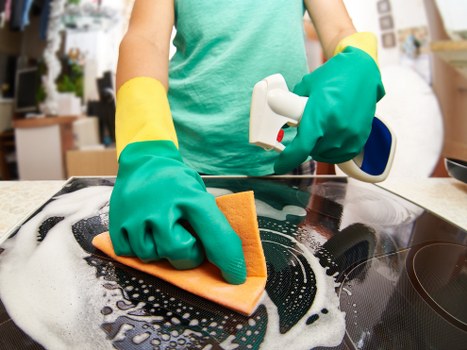
There are several reliable methods for oven cleaning, and the best option depends on the level of grime, the type of oven, and your comfort with cleaning products. Some people prefer natural solutions, while others use commercial degreasers or the oven’s built-in cleaning cycle. Each method has advantages and limitations, so choosing carefully is important.
A popular approach involves warm water, dish soap, and a non-abrasive sponge for light cleaning. This is ideal for routine maintenance and minor splashes. For stronger buildup, baking soda mixed with water can create a paste that helps loosen grime without scratching the surface. Many homeowners like this option because it is gentle, affordable, and effective for regular oven cleaning.
Commercial oven cleaners can be useful for heavy buildup, but they should be used carefully and according to manufacturer instructions. Ventilation is essential, and protective gloves are often recommended. If your oven has a self-cleaning function, follow the appliance manual closely, because the process uses very high temperatures and may not be suitable for every household situation.
Natural Cleaning Approaches
Natural oven cleaning methods are popular because they use fewer harsh chemicals. A baking soda paste, vinegar spray, and hot water can remove many types of residue when allowed enough time to work. These options are especially useful if you clean your oven regularly rather than waiting for a major buildup.
To use a natural method effectively, apply the paste to dirty areas, let it sit for several hours or overnight, and then wipe it away with a damp cloth. If residue remains, a plastic scraper or non-scratch pad can help loosen it without damaging the interior coating. This approach is a practical part of ongoing oven cleaning maintenance.
Step-by-Step Oven Cleaning Routine
A structured cleaning routine can make the task far less overwhelming. Start by removing racks, trays, and any loose debris from inside the oven. This creates more space to clean the interior surfaces thoroughly. Once the removable parts are out, you can focus on the walls, floor, door, and corners where residue often hides.
Next, choose your preferred cleaning solution. Apply it to stained areas and allow enough dwell time for the product to soften grease and baked-on debris. During this stage, oven cleaning becomes much easier because the cleaner can do much of the work for you. After the waiting period, wipe or scrub gently, paying special attention to edges and seams.
After the interior is clean, wash the racks separately and dry them fully before reinstalling. Then wipe the oven door glass and exterior handle, which often collect fingerprints and grease. Finish by checking for any missed spots and ensuring the oven is completely dry before using it again. A consistent routine like this keeps oven cleaning simple and manageable.
Helpful Cleaning Tools
- Soft microfiber cloths
- Non-abrasive sponges
- Plastic or silicone scrapers
- Rubber gloves
- Baking soda and vinegar
- Dish soap and warm water
What to Avoid
- Steel wool or abrasive pads that can scratch surfaces
- Excessive water near electrical components
- Strong chemicals without ventilation
- Sharp tools that may damage the oven lining
How Often Should You Clean Your Oven?

The best oven cleaning schedule depends on how often you cook and what types of meals you prepare. For many households, a light cleaning after every few uses and a deeper clean every few months is a practical rhythm. If you cook greasy foods frequently, you may need to clean more often. Smaller households that use the oven occasionally may be able to go longer between deep cleans.
A good rule is to wipe up fresh spills as soon as the oven cools down enough to do so safely. This prevents food from hardening and saves time later. In addition, a brief monthly inspection helps you spot buildup before it becomes a serious issue. Routine oven cleaning usually takes less effort than an infrequent deep scrub, so prevention is always worthwhile.
Seasonal changes can also influence your schedule. During holidays or large family gatherings, ovens are often used more heavily, which means more splatter and more residue. After periods of intense use, a more thorough cleaning is smart. Keeping track of use patterns will help you decide when the next oven cleaning session should happen.
Simple Maintenance Habits
- Wipe spills after the oven cools.
- Use baking trays to catch drips when possible.
- Check the oven door and glass regularly.
- Remove crumbs and food debris weekly.
- Schedule deeper oven cleaning before residue hardens.
Benefits of Regular Oven Cleaning
One of the biggest benefits of regular oven cleaning is improved cooking performance. When the interior is free from grease and charred buildup, heat can circulate more evenly. This often leads to more predictable baking results and fewer issues with burnt edges or undercooked centers. For home cooks, that consistency makes a noticeable difference.
Another benefit is odor control. Clean ovens are less likely to produce unpleasant smells when heated, which makes the kitchen more inviting. Regular maintenance can also help preserve the oven’s finish and internal components. Since residue can become corrosive over time, timely oven cleaning may reduce the chance of premature wear.
There is also a visual payoff. A sparkling oven improves the overall feel of the kitchen and can make the whole room seem more organized and cared for. This may matter especially if you enjoy hosting guests or cooking frequently. A clean appliance supports both function and presentation, which is why oven cleaning should be part of routine home care.
Practical Advantages at a Glance
- Better heat distribution
- Less smoke and odor
- Easier food preparation
- Reduced buildup and grime
- Longer appliance lifespan
When to Consider Professional Oven Cleaning
Sometimes an oven reaches a point where DIY methods are not enough. If the buildup is thick, the odor is persistent, or the oven hasn’t been cleaned in a very long time, professional oven cleaning can be a smart solution. Professionals often have access to specialized tools and products that remove stubborn residue more efficiently.
This option can also be helpful for busy households, rental properties, or anyone who wants to avoid dealing with heavy scrubbing. A professional service may save time and deliver a more thorough result, especially if the oven has multiple racks, difficult corners, or baked-on grease that has resisted repeated cleaning attempts.
It is worth considering professional help if your oven has delicate components, is a high-end model, or has a self-cleaning function that you are unsure how to use safely. In these situations, experienced oven cleaning can reduce the risk of damage and give you peace of mind.
Choosing the Right Cleaning Approach
The right approach depends on your priorities. If you prefer low-cost upkeep and have time to work gradually, natural methods may suit you best. If you need quick results for a heavily soiled appliance, a commercial cleaner or professional service may be better. Either way, staying consistent with oven cleaning is the key to making maintenance easier over time.
Smart Tips for Faster, Easier Oven Cleaning
Small habits can dramatically reduce how long each cleaning session takes. For example, lining lower racks with oven-safe trays can catch drips before they hit the floor of the appliance. Using covered cookware can also limit splatter. These simple changes make oven cleaning easier and less frequent.
Another helpful tip is to clean in stages rather than waiting for a single exhausting session. A quick wipe on the door this week, a rack wash next week, and a deeper interior clean later can spread the workload. This approach is especially useful for busy families who want a cleaner oven without spending an entire afternoon on the task.
Finally, keep your preferred tools nearby so you can respond quickly to spills. When cleaning supplies are easy to access, you are more likely to handle messes right away. Over time, this habit supports more efficient oven cleaning and helps you maintain a kitchen that feels fresh and well cared for.
Best Practices for Long-Term Results
- Address spills while they are still fresh
- Use protective liners only if approved by the manufacturer
- Check the oven manual before applying any cleaner
- Ventilate the kitchen during intensive cleaning
- Repeat light maintenance often instead of waiting too long
Final Thoughts on Oven Cleaning
Oven cleaning may not be the most exciting household task, but it is one of the most valuable when it comes to keeping your kitchen efficient, safe, and pleasant to use. A clean oven supports better cooking results, reduces odors, and helps you avoid the frustration of heavy buildup later. By paying attention to warning signs, using the right methods, and staying consistent with maintenance, you can make oven cleaning far less intimidating.
Whether you prefer natural products, commercial solutions, or professional assistance, the most important thing is to act before residue becomes a major problem. A little effort on a regular basis goes a long way. If your oven needs attention now, book your service now or take the first step toward a cleaner appliance today. For a more polished kitchen and easier everyday cooking, oven cleaning is always worth the effort.
When you make oven cleaning part of your routine, you are not just improving one appliance—you are investing in the overall comfort and performance of your home. That is why many homeowners choose to stay proactive rather than reactive. Contact us today to keep your kitchen looking and working its best, and enjoy the difference a truly clean oven can make.