Rug Cleaning in Modern Homes: A Practical, Stylish, and Healthy Approach
Rug cleaning is one of the most overlooked parts of home care, yet it can dramatically improve the look, feel, and hygiene of any room. Whether you own a handmade wool rug, a synthetic runner, a plush area rug, or a delicate antique piece, proper rug cleaning helps preserve texture, color, and value while creating a fresher living environment. For many households, a rug is more than a decorative item; it is a daily surface for walking, lounging, playing, and relaxing. That means dirt, dust, allergens, spills, and odors settle deep into the fibers over time.
When handled correctly, rug cleaning can extend the lifespan of your flooring investment and support a cleaner indoor atmosphere. It is not just about removing visible stains. It is about maintaining fibers, protecting dyes, preventing wear, and keeping your interior spaces comfortable. Homeowners often search for rug cleaning services, area rug cleaning, and deep rug cleaning because they want results that vacuuming alone cannot deliver.
In this article, we will explore the benefits, methods, best practices, and decision-making tips for rug cleaning. You will also learn how different rug materials respond to cleaning, what mistakes to avoid, and why professional care can be the safest option for valuable pieces. If you have been considering a refresh for your rugs, this is the right place to start.
Why Rug Cleaning Matters for Every Home
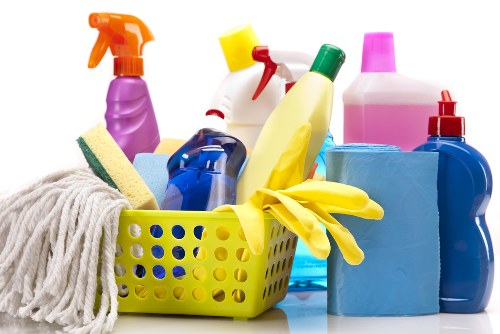
Rug cleaning plays a key role in maintaining both the appearance and hygiene of your home. Rugs act like filters, capturing dust, pollen, pet hair, food crumbs, and airborne particles. Over time, these particles become embedded in the pile, making the rug look dull and causing indoor air quality to decline. A routine rug cleaning schedule helps reduce this buildup and keeps your rooms feeling fresher.
Beyond cleanliness, rug maintenance helps protect your investment. High-quality rugs can be expensive, and even budget-friendly rugs deserve care. Dirt acts like sandpaper when walked on, slowly grinding against fibers and causing premature wear. With proper rug cleaning, you can reduce fiber damage and keep the pile looking fuller for longer. This is especially important in high-traffic areas such as living rooms, hallways, and dining spaces.
Another major reason rug cleaning matters is odor control. Spills, pet accidents, moisture, and everyday use can lead to unpleasant smells trapped in the fibers. A well-executed cleaning process helps neutralize those odors instead of simply covering them up. That means your home smells cleaner, feels more inviting, and supports a healthier environment for family members and guests.
Common Types of Rugs and How They Affect Cleaning
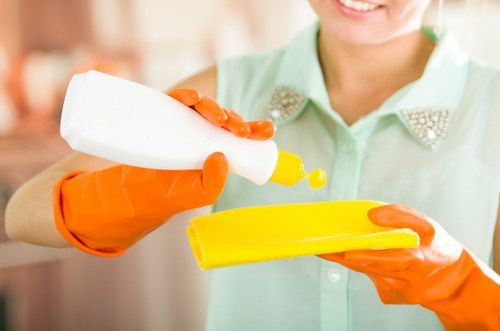
Not all rugs are made the same, and rug cleaning should always begin with the material. Wool rugs, for example, are durable and naturally stain-resistant, but they require careful cleaning to avoid shrinkage or color bleeding. Synthetic rugs, including polyester, nylon, and polypropylene, are often more forgiving and may tolerate stronger spot treatments. Cotton rugs can be washable in some cases, while silk rugs demand especially delicate handling.
Hand-knotted rugs and antique rugs usually need specialized rug cleaning methods because their dyes, fibers, and construction may be fragile. These rugs may have natural dyes that react poorly to excessive moisture or harsh chemicals. On the other hand, machine-made area rugs are often designed for everyday convenience and may be easier to clean, though they still benefit from regular professional attention.
Knowing your rug material is essential before choosing a cleaning method. A successful area rug cleaning process depends on fiber type, backing material, weave, and colorfastness. When in doubt, testing a small hidden section or consulting a professional can prevent irreversible damage. Material awareness is one of the smartest steps in long-term rug care.
Material-specific considerations
- Wool: Durable but sensitive to excessive moisture and strong alkalines.
- Silk: Delicate, luxurious, and best cleaned by specialists.
- Cotton: Often easier to clean but may shrink if handled improperly.
- Synthetic fibers: More stain-resistant and practical for busy households.
- Natural fiber rugs: Jute, sisal, and seagrass require dry-focused care.
Signs Your Rug Needs Professional Cleaning
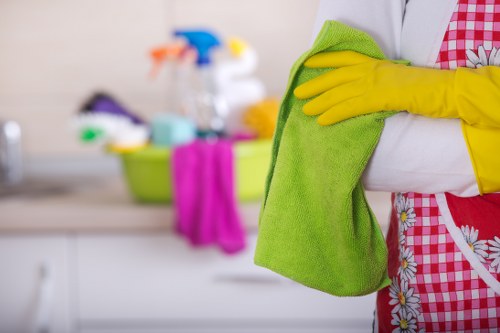
Many homeowners wait until a rug looks visibly dirty before scheduling rug cleaning, but there are several subtle signs that indicate it is time for a deeper treatment. If the rug appears flat, lifeless, or discolored, embedded soil may be the cause. Even if you vacuum regularly, some debris settles below the surface where routine cleaning cannot reach.
Another common sign is persistent odor. Pet smells, cooking odors, mildew, and dampness can all become trapped in the backing and fibers. If a rug smells dusty or stale even after regular cleaning, a deeper wash is usually needed. You may also notice increased allergy symptoms, which can happen when pollen, dust mites, and dander accumulate in the rug.
Stains are another obvious clue, but the most important factor is not just whether a stain is visible. It is how long it has been there and whether it has set into the fibers. Rug cleaning is most effective when stains are treated promptly, yet older stains can sometimes still be improved with the right methods. If your rug has traffic lanes, rough texture, or fading, that is another sign it could benefit from a thorough cleaning.
Watch for these warning signs
- Persistent odors that remain after vacuuming.
- Visible dirt, dullness, or flattened fibers.
- Allergy symptoms that worsen indoors.
- Pet stains or moisture spots.
- Traffic patterns in the busiest parts of the rug.
Popular Rug Cleaning Methods Explained
There are several rug cleaning methods, and the best one depends on the rug’s material, condition, and construction. One of the most widely used methods is hot water extraction, also known as steam cleaning, though true steam is not always involved. This process uses heated water and cleaning solution to loosen dirt from fibers before extracting it with powerful suction. It is often effective for synthetic area rugs and some wool rugs when performed correctly.
Dry cleaning is another option for rugs that cannot tolerate much moisture. This method uses specialized compounds or powders to absorb dirt and break it down before removal. It is often preferred for delicate rugs, natural fiber rugs, and situations where drying time must be minimal. While dry cleaning can be effective, it may not remove deep embedded soil as thoroughly as wet cleaning methods.
Hand washing is common for high-value rugs and antique pieces. In this process, technicians assess the rug, remove loose debris, test for dye stability, and wash the rug carefully by hand. This level of detail is often necessary for heirloom textiles, handmade rugs, and pieces with significant cultural or monetary value. Professional rug cleaning services often combine inspection, spot treatment, washing, rinsing, drying, and grooming to achieve the best result.
Method comparison
- Vacuuming: Essential routine maintenance, but not enough for deep cleaning.
- Steam or hot water extraction: Useful for many durable rugs.
- Dry cleaning: Better for moisture-sensitive materials.
- Hand washing: Ideal for delicate or valuable rugs.
- Spot cleaning: Best for immediate stain response.
Step-by-Step Rug Cleaning Process
A quality rug cleaning process typically follows a series of careful steps designed to remove soil without harming the fibers. First, the rug is inspected for stains, wear, colorfastness, fringe damage, and structural issues. This inspection helps determine the safest cleaning method. Then, loose dirt and dry particles are removed, often through vacuuming or dusting, because dry soil can interfere with the wash process.
Next, spot treatments are applied to problem areas. These pre-treatments may target grease, pet stains, beverage spills, or general discoloration. After that, the rug is cleaned using the chosen method, whether that is wet washing, dry cleaning, or another specialized process. The goal is to lift contaminants from the fibers while protecting the rug’s construction and finish.
Once cleaning is complete, the rug must dry thoroughly. Proper drying is crucial because trapped moisture can cause odor, mildew, and fiber distortion. After drying, the rug is groomed to restore pile direction and texture. A final inspection ensures the rug cleaning result meets quality standards. This sequence may seem simple, but each step requires careful attention and experience.
Typical professional workflow
- Inspection and fiber identification
- Dry soil removal
- Pre-treatment of stains
- Main cleaning phase
- Rinsing or extraction
- Controlled drying
- Grooming and final review
How Often Should Rug Cleaning Be Done?
The right rug cleaning frequency depends on use, placement, household traffic, and whether pets or children are present. In many homes, vacuuming should happen weekly, but deeper cleaning may only be needed every 6 to 18 months. High-traffic rugs in entryways or family rooms may need more frequent attention, while decorative rugs in low-use spaces can go longer between cleanings.
Households with pets or allergy concerns often benefit from more regular rug maintenance. Pet hair, dander, and occasional accidents can settle quickly into fibers. Likewise, homes in dusty climates or near busy roads may need deeper rug cleaning sooner than expected. Seasonal cleaning can also be a smart habit, especially after winter mud, spring pollen, or summer entertaining.
If your rug is expensive, handmade, or antique, do not rely solely on a calendar. Instead, let the rug’s condition and use determine the right schedule. Professional rug cleaning on a recurring basis can help prevent buildup before it becomes a bigger issue. Regular care is almost always easier and more affordable than rescuing a neglected rug later.
DIY Rug Cleaning vs. Professional Rug Cleaning
Many people enjoy handling small spills on their own, and basic DIY rug care absolutely has its place. Vacuuming, blotting fresh stains, and using a gentle cleaner on safe materials can help maintain cleanliness between professional visits. For routine surface care, DIY rug cleaning is practical, affordable, and convenient.
However, there are important limitations. Home methods can leave residue, over-wet the rug, or damage dyes if the wrong product is used. Scrubbing stains aggressively may push soil deeper into the fibers or distort the pile. That is why professional rug cleaning is often the better choice for deep soil, set-in stains, odor removal, or delicate rugs. Specialists bring experience, equipment, and cleaning knowledge that can make a noticeable difference.
If you want long-lasting results, the decision often comes down to risk versus reward. A DIY method may be fine for a small spill on a washable rug, but a valuable wool or silk rug deserves expert handling. When the rug matters to your home’s style, comfort, or budget, choosing the safer route is usually worth it.
DIY is best for
- Fresh spills caught quickly
- Machine-made rugs with simple care instructions
- Light maintenance between deep cleanings
- Small touch-up tasks on durable fibers
Professional service is best for
- Deep-set stains
- Pet accidents and odor removal
- Delicate or antique rugs
- Large rugs that are difficult to handle at home
- Rugs with fading, dye transfer, or heavy soil
Stain Removal Tips That Support Better Rug Cleaning
Stain removal is one of the most searched aspects of rug cleaning because spills happen in every home. Coffee, wine, juice, mud, grease, ink, and pet accidents all require different approaches. The first rule is to act quickly. Blotting the stain with a clean cloth can prevent it from spreading deeper into the fibers. Avoid rubbing, as this usually drives the stain further into the rug and can damage the pile.
It is also important to choose the right cleaner. Some solutions work well on synthetic rugs but can harm wool or natural fibers. Before applying any product, test it in a hidden area. Use minimal moisture, because excess liquid can seep into the backing and create lingering odors or mold concerns. Less is often more when it comes to spot treatment.
For stubborn marks, repeated gentle blotting is better than harsh scrubbing. In some cases, the safest option is to stop at home treatment and schedule a professional rug cleaning instead. That is especially true for old stains, dye-related stains, or spills on high-value textiles. Acting carefully helps preserve both the stain and the rug’s overall appearance.
Helpful stain response tips
- Blot immediately with a dry, clean cloth.
- Avoid rubbing or over-saturating the area.
- Test cleaning products first.
- Use gentle motion and repeat as needed.
- Seek professional help when the stain is uncertain or serious.
Rug Maintenance Habits That Extend Cleanliness
Good rug cleaning starts long before a rug is washed. Daily and weekly habits can dramatically reduce soil buildup and make deep cleaning more effective. Regular vacuuming is one of the most important habits, as it removes surface grit before it sinks into the pile. For thicker rugs, vacuuming in multiple directions helps lift more debris and refresh the fibers.
Rotating your rug every few months is another smart practice. Sunlight and foot traffic can cause uneven fading and wear, especially in rooms with strong natural light or frequent use. Rotation helps balance out the load and keeps the rug looking more even. Using rug pads can also reduce friction, improve comfort, and protect the backing from unnecessary stress.
Other habits include removing shoes indoors, cleaning spills quickly, and keeping pets groomed. These small steps reduce the amount of dirt that reaches the rug in the first place. When combined with regular rug cleaning, they help create a cleaner, more durable, and more attractive home environment.
Simple maintenance checklist
- Vacuum regularly
- Rotate the rug seasonally
- Use a quality rug pad
- Blot spills immediately
- Keep heavy furniture from sitting in the same spot too long
Choosing the Right Rug Cleaning Service
When selecting a rug cleaning provider, look for a company that understands fiber types, stain behavior, and safe treatment methods. The best rug cleaning professionals do more than wash a rug; they inspect, identify, test, and customize the process based on the rug’s specific needs. That level of care can make a major difference in the final result.
Ask whether the provider handles pickup, transport, drying, and reinstallation if needed. These logistics matter, especially for oversized rugs. It is also smart to ask about their approach to delicate materials, pet stains, odor treatment, and fringe care. A reputable service should be able to explain how they protect colors, fibers, and backing during cleaning.
Look for clear communication and a process that feels thoughtful rather than rushed. The most reliable rug cleaning services tend to focus on inspection, stain assessment, and safe handling. If a provider promises instant results without asking about fiber type or damage, that may be a red flag. Quality matters when your rug is part of your home’s everyday comfort.
What to look for
- Experience with multiple rug types
- Knowledge of stains and fiber care
- Safe drying and cleaning methods
- Transparent explanations of the process
- Attention to detail and rug-specific handling
Final Thoughts on Rug Cleaning for Long-Term Value
Rug cleaning is not just a cosmetic task. It is an important part of preserving comfort, reducing allergens, removing odors, and protecting the value of your flooring investment. When rugs are cleaned properly, they look brighter, feel softer, and contribute to a healthier home. Whether you manage your rugs with careful DIY maintenance or rely on professional care, consistency is the key to better results.
Every rug has its own story, from daily family life to formal décor and cherished heirlooms. Treating it well means understanding the material, responding quickly to spills, and scheduling deeper cleaning when needed. With the right approach, rug cleaning becomes a simple but powerful way to improve your home’s appearance and longevity.
If your rug is overdue for attention, now is the perfect time to act. Contact us today to learn more about the best care options for your rugs, or book your service now to restore freshness, softness, and style to your space.