Communal Area Cleaning: A Practical Approach to Cleaner Shared Spaces
Communal area cleaning plays a vital role in keeping shared environments healthy, welcoming, and presentable. Whether it is an apartment block, office building, student residence, retail center, or mixed-use property, the condition of common spaces strongly affects how people experience the entire premises. Clean communal areas create a positive first impression, support hygiene, reduce complaints, and help property owners maintain long-term value.
When people think about cleaning services, they often focus on private rooms or individual units. Yet communal area cleaning is just as important because these are the spaces that see the highest volume of traffic. Hallways, lobbies, stairwells, lifts, entrances, mailrooms, shared kitchens, washrooms, and corridors all collect dust, dirt, fingerprints, litter, and germs much faster than private spaces. A structured cleaning plan keeps these areas safe and pleasant for everyone.
In this article, we will explore what communal area cleaning involves, why it matters, which spaces need regular attention, and how property managers and cleaning teams can maintain high standards all year round. Clean shared areas are not just about appearance; they are about comfort, safety, and professionalism.
What Is Communal Area Cleaning?
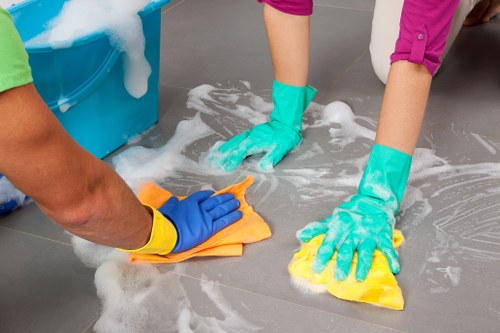
Communal area cleaning refers to the routine and scheduled cleaning of spaces that are shared by multiple people. These areas are often used by tenants, staff, visitors, customers, residents, or guests, and they require consistent care to remain hygienic and tidy. In many buildings, communal area cleaning is one of the most visible services because people notice cleanliness the moment they enter the property.
The scope of communal area cleaning can vary depending on the type of building. In residential properties, it may include entryways, staircases, lift buttons, handrails, bin stores, and shared corridors. In office buildings, it may include reception areas, conference rooms, pantry spaces, toilets, and touchpoints like door handles and switches. In all cases, the goal is the same: maintain a clean communal environment that supports daily use.
Effective communal area cleaning usually combines daily cleaning tasks with weekly, monthly, and periodic deep-cleaning services. This layered approach ensures that visible dirt is removed quickly while also preventing buildup in hard-to-reach areas.
Why Communal Area Cleaning Matters
There are several reasons why communal area cleaning should be treated as a priority rather than an afterthought. First, it helps protect public health. Shared surfaces are touched repeatedly throughout the day, which means germs, allergens, and contaminants can spread easily. Regular cleaning reduces this risk and supports a healthier environment for everyone.
Second, communal area cleaning improves the overall image of a building. A tidy lobby, polished floor, and fresh-smelling corridor send a clear message that the property is well managed. This is especially important for landlords, housing associations, property managers, and business owners who want to maintain trust and confidence.
Third, it helps preserve surfaces and fixtures. Dirt, moisture, and grit can damage flooring, carpets, walls, and fittings over time. By investing in professional communal space cleaning, building owners can extend the lifespan of materials and reduce repair costs.
Key benefits at a glance
- Supports hygiene and reduces the spread of germs
- Creates a positive first impression for visitors and residents
- Helps protect flooring, walls, and fixtures from wear
- Improves safety by reducing slips, trips, and hazards
- Enhances the overall value and reputation of the property
Clean shared spaces also contribute to community morale. People are more likely to respect and care for a building when it looks well maintained. In other words, clean communal areas encourage better behavior, which can lead to less littering, fewer complaints, and a more pleasant atmosphere overall.
Areas Typically Included in Communal Area Cleaning
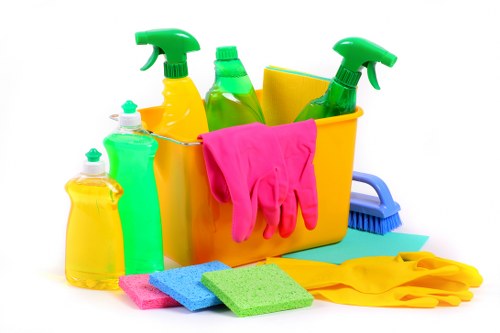
Every building is different, but most communal area cleaning plans cover a similar set of high-use spaces. Understanding these areas makes it easier to build a reliable cleaning schedule and ensure no critical zone is missed.
Common shared areas
- Entrances and lobbies
- Hallways and corridors
- Staircases and stairwells
- Lifts and lift lobbies
- Reception areas
- Shared kitchens and break rooms
- Toilets and washrooms
- Meeting rooms and conference spaces
- Mailrooms and parcel areas
- Bin storage rooms and waste collection points
- Car parks and exterior walkways
- Shared laundry rooms or utility spaces
Each of these areas has unique cleaning needs. For example, entrance mats may need vacuuming or shampooing, while lift panels require frequent touchpoint disinfection. Waste storage areas may need deodorizing and sanitizing, and shared kitchens require thorough surface cleaning to prevent food residue and odor buildup.
Attention to detail matters. Dust in corners, sticky handprints on glass, or overflowing bins can make even a well-designed building feel neglected. A good communal area cleaning routine addresses both the visible and hidden mess.
What a Professional Communal Area Cleaning Service Includes
A professional communal area cleaning service usually follows a tailored checklist based on the property type, traffic levels, and client requirements. This makes the service more effective than a one-size-fits-all approach.
Typical cleaning tasks
- Dusting and wiping surfaces, ledges, and fixtures
- Vacuuming carpets and mats
- Sweeping and mopping hard floors
- Cleaning entrances and glass doors
- Disinfecting touchpoints such as handles, switches, and buttons
- Emptying bins and replacing liners
- Cleaning lifts, mirrors, and stainless-steel surfaces
- Maintaining communal kitchens and washrooms
- Spot-cleaning walls and skirting boards
- Checking for hazards, spills, or damage
Many providers also include periodic deep cleaning to handle tasks that are not required every day. These may include carpet extraction, floor polishing, high-level dusting, pressure washing exterior areas, and detailed sanitation of neglected corners.
In high-traffic properties, it is often useful to combine routine cleaning with responsive cleaning. This means the team can quickly address unexpected issues such as spillages, broken glass, muddy footprints, or heavy litter after events or bad weather. Fast response helps maintain standards throughout the day.
Communal Area Cleaning for Residential Buildings
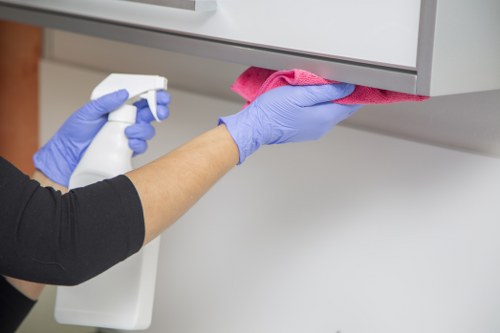
Residential communal area cleaning is one of the most common services for apartment blocks, housing complexes, and managed estates. Residents expect their shared environment to be safe, clean, and comfortable. When hallways smell fresh and stairwells are free of grime, the property feels more cared for and secure.
For residential settings, communal area cleaning often focuses on removing everyday dirt brought in by foot traffic. This includes dust, mud, pet hair, food crumbs, and litter. It may also involve sanitizing handrails, cleaning entry mats, maintaining bin areas, and keeping lifts free from fingerprints and smudges.
Good residential cleaning also helps reduce disputes between tenants. When shared areas are consistently maintained, there are fewer complaints about mess, odors, or poor upkeep. That improves the living experience for everyone and can support better tenant retention.
Resident-facing priorities
- Clean and welcoming entrance areas
- Odor control in bin stores and waste areas
- Regular vacuuming and floor care
- Frequent disinfecting of touchpoints
- Clear and debris-free stairwells and corridors
Communal area cleaning in residential buildings is also important for safety. Wet floors, blocked entrances, and cluttered shared spaces can create avoidable hazards. A reliable cleaning team can help keep those risks under control while maintaining the building’s appearance.
Communal Area Cleaning for Offices and Commercial Properties
In offices and commercial buildings, communal area cleaning supports productivity as well as presentation. Employees, clients, vendors, and visitors all rely on shared spaces such as reception areas, washrooms, lifts, kitchens, and meeting rooms. If these spaces are dirty, the entire business can appear disorganized or unprofessional.
Commercial communal cleaning often requires a more strategic schedule because occupancy can fluctuate throughout the day. A reception may need frequent dusting and glass cleaning, while kitchens may require multiple wipe-downs to handle spills and food waste. Toilets, in particular, need strict hygiene routines and restocking of soap, paper towels, and other essentials.
Many businesses prefer cleaning outside office hours to minimize disruption. However, high-use areas may need daytime upkeep, especially in client-facing environments like hotels, clinics, schools, or retail centers. The right approach depends on activity levels and the expectations of building users.
Important considerations for commercial settings
- Maintain professional presentation at all times
- Use suitable disinfectants for high-touch surfaces
- Address spills and waste quickly
- Keep shared break areas hygienic
- Schedule deep cleans regularly to maintain standards
Professional communal area cleaning services can help businesses reduce complaints, support staff wellbeing, and create a more organized workplace environment.
How to Build an Effective Cleaning Schedule

An effective communal area cleaning schedule depends on several factors, including building size, occupancy, foot traffic, and the nature of the shared spaces. The more people who use an area, the more often it needs attention. A busy apartment lobby, for instance, may require daily cleaning, while a low-traffic storage hallway may only need periodic upkeep.
The best cleaning plans are organized by task frequency. This ensures essential jobs are done regularly while preventing less urgent tasks from being overlooked. A well-planned schedule also helps cleaning teams work efficiently and gives property managers clear expectations.
Example scheduling framework
- Daily: sweep, mop, empty bins, disinfect touchpoints, tidy entrances
- Weekly: vacuum carpets, clean glass, polish fixtures, detail corners
- Monthly: deep clean lifts, sanitize bins, treat floors, check ventilation grilles
- Quarterly: carpet extraction, high-level dusting, exterior washdowns, floor restoration
Flexibility is essential. Building use changes with seasons, weather, events, and occupancy levels. During rainy months, entrances and corridors may need additional attention. In busy holiday periods, waste areas and lifts may require more frequent cleaning.
A strong schedule should also include monitoring. Supervisors or property managers can carry out inspections to ensure standards are being met. This helps identify recurring issues early and keep communal area cleaning consistently effective.
Health, Hygiene, and Safety Considerations
Communal area cleaning is closely connected to health and safety. Shared environments can quickly become breeding grounds for bacteria, viruses, mold, and allergens if they are not maintained properly. Regular cleaning helps reduce these risks and supports a healthier indoor environment.
Touchpoint cleaning is particularly important in communal spaces because handles, switches, elevator buttons, and railings are touched frequently by many different people. Disinfecting these surfaces on a regular basis helps lower the spread of illness, especially in colder months when infections are more common.
Safety is another major factor. Dirty floors can become slippery, clutter can create trip hazards, and overflowing bins can attract pests. Communal area cleaning reduces these risks by ensuring paths remain clear and surfaces are maintained in good condition.
Practical safety checks
- Look for wet floors after cleaning or bad weather
- Remove obstacles from hallways and entrances
- Report damaged lighting or loose floor surfaces
- Keep fire exits and escape routes unobstructed
- Use correct signage during wet-floor cleaning
Property managers should treat health, hygiene, and safety as interconnected priorities. A clean building is not only more attractive; it is also more secure and more comfortable for everyone who uses it.
Eco-Friendly Approaches to Communal Area Cleaning

More property owners and cleaning providers are looking for sustainable ways to maintain shared spaces. Eco-friendly communal area cleaning focuses on reducing waste, minimizing harsh chemicals, and using efficient methods that protect both people and the environment.
This approach may include microfiber cloths, refillable cleaning systems, low-toxicity detergents, and water-saving equipment. These products can deliver excellent results while supporting greener operations. In addition, using measured chemical dosing helps avoid unnecessary waste and reduces exposure to strong substances.
Sustainable cleaning also involves smarter scheduling. For example, cleaning teams can reduce energy use by planning visits efficiently, combining tasks, and avoiding unnecessary repeat work. In some buildings, motion sensors, natural ventilation, and energy-efficient vacuums can further improve environmental performance.
Benefits of eco-friendly methods
- Lower environmental impact
- Safer indoor air quality
- Reduced chemical exposure for occupants
- Better alignment with sustainability goals
- Often improved long-term cost efficiency
Choosing greener options does not mean compromising on results. In fact, eco-conscious communal area cleaning can be highly effective when carried out by trained professionals using the right products and processes.
Choosing the Right Communal Area Cleaning Provider
Finding the right cleaning partner can make a major difference to the quality and consistency of communal area cleaning. Not all providers offer the same level of expertise, flexibility, or attention to detail, so it is worth evaluating options carefully.
Look for a provider with experience in your type of property. A team that understands residential blocks may not be the best fit for a busy office or retail site. The ideal company should be able to tailor services, adapt to changing needs, and provide a clear cleaning plan.
It is also helpful to ask about staff training, supervision, quality checks, and cleaning products. Professional cleaners should understand hygiene standards, safe chemical use, and how to handle different surfaces properly. Strong communication and reliable scheduling are equally important.
What to look for
- Proven experience in communal cleaning
- Flexible schedules and customized checklists
- Trained staff with clear supervision
- Transparent service scope and routine inspections
- Ability to handle both regular and deep cleaning
Before making a decision, ask how the provider handles emergency cleaning, seasonal demands, and special requests. A capable team should be able to respond quickly and maintain standards across the property at all times.
Reliable communal area cleaning services help property owners protect their investment while giving residents, employees, and visitors a better everyday experience.
Best Practices for Property Managers and Building Owners
Property managers and building owners play an important role in supporting cleaning quality. Even the best cleaning service performs better when expectations are clear and the building is properly monitored.
Start by creating a written cleaning specification. This document should outline which areas need cleaning, how often each task should be carried out, and what standards are expected. It should also explain how issues are reported and resolved. Clear communication prevents confusion and improves accountability.
Regular inspections are also valuable. By checking communal spaces frequently, managers can identify missed areas, recurring problems, and signs of wear that may require maintenance rather than cleaning. This can include broken tiles, defective lighting, or damaged bins.
Best-practice checklist
- Define scope and frequency for every shared area
- Schedule routine inspections and spot checks
- Respond quickly to complaints or hazards
- Review cleaning performance periodically
- Update cleaning plans when building use changes
When property teams and cleaning providers work together, the results are much better. Shared spaces stay cleaner, issues are resolved faster, and occupants feel that the building is being looked after with care.
The Long-Term Value of Clean Communal Spaces
Communal area cleaning delivers value far beyond daily appearance. Over time, consistent cleaning supports asset protection, user satisfaction, and operational efficiency. Floors last longer, surfaces remain in better condition, and shared spaces require fewer costly repairs.
From a people perspective, a clean environment can influence how residents, staff, and visitors behave. When communal areas are tidy and well kept, people are more likely to respect the space and follow building rules. That can reduce mess, improve cooperation, and strengthen the overall sense of order.
There is also a brand and reputation benefit. For businesses and managed properties, the condition of shared spaces is often one of the first things people notice. A polished lobby or spotless corridor communicates care, competence, and professionalism. A neglected one suggests the opposite.
In short, communal area cleaning is an investment. It protects health, supports safety, improves image, and helps buildings operate more smoothly. That is why it should be planned carefully and maintained consistently.
If you want your property to look its best and stay hygienic throughout the year, now is the right time to prioritize communal area cleaning. Contact us today to discuss a tailored service plan, or book your service now to keep your shared spaces cleaner, safer, and more welcoming.