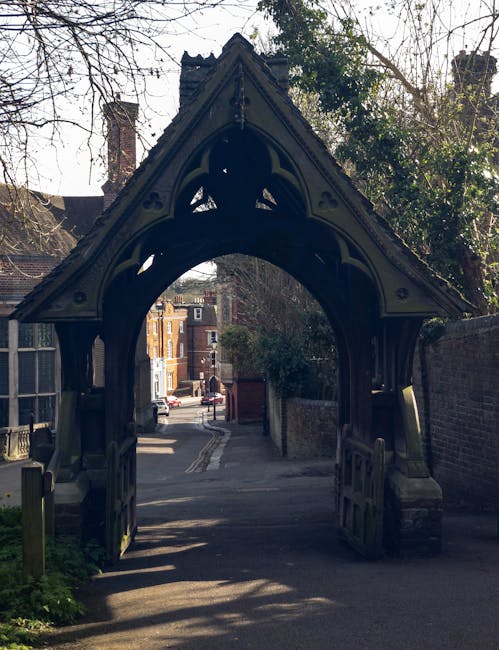
Permits and cleaning access rules near Harrow town centre
If you are planning a clean near Harrow town centre, the job is rarely just about the cleaning itself. The real difference often comes down to permits, access arrangements, loading restrictions, building rules, and the small details that can make a visit smooth or messy. Permits and cleaning access rules near Harrow town centre matter because central locations are busy, buildings are varied, and not every property can be treated like a straightforward street-level house.
That sounds obvious, but in practice people still get caught out. A cleaner turns up and cannot park. The concierge wants notice. The lift needs pre-booking. The landlord says the bin store is locked. Suddenly a one-hour job stretches into an awkward afternoon. Truth be told, most of this can be avoided with a bit of planning.
In this guide, you will learn how access rules usually work, what to check before booking, when permits might be needed, and how to avoid the most common delays around Harrow town centre. We will also cover practical checklists, common mistakes, and the best way to choose a cleaning service that is ready for local conditions. If you want broader service context while you read, it can also help to look at domestic cleaning, office cleaning, and communal area cleaning for the kinds of visits that often depend on good access.
Table of Contents
- Why permits and access rules matter
- How permits and access rules usually work
- Key benefits and practical advantages
- Who this is for and when it makes sense
- Step-by-step guidance
- Expert tips for better results
- Common mistakes to avoid
- Tools, resources and recommendations
- Law, compliance, standards and best practice
- Options, methods, and comparison table
- Case study or real-world example
- Practical checklist
- Conclusion
- Frequently asked questions
Why Permits and cleaning access rules near Harrow town centre Matters
Near Harrow town centre, access is often the hidden part of the job. You may be dealing with residential blocks, mixed-use buildings, retail units, managed estates, or compact streets where stopping for five minutes is harder than it looks. That means a cleaning plan needs to cover more than surface cleaning tasks. It needs a route in, a place to park, a way to carry equipment, and a clear understanding of who can let the team in.
Permits come into the picture when a vehicle needs to stop in a controlled or restricted area, or when loading and unloading is governed by local rules or building management. Access rules cover things like key handover, buzzer entry, lift use, concierge check-in, security procedures, and whether a cleaner can enter only within a set time window. Small stuff? Not really. These details decide whether the visit starts on time or not.
This matters to more than just the cleaner. Residents want less disruption. Business owners want work completed without disturbing customers. Landlords want the property handled properly. Guests and tenants want the place spotless without a lot of back-and-forth. When the access plan is clear, everyone feels calmer. And let's face it, cleaner days are easier when nobody is standing on the pavement wondering where the keys are.
Expert summary: Around Harrow town centre, the best cleaning outcomes usually come from three things working together: correct access, realistic scheduling, and early notice about any permits, gates, or building restrictions. Get those right and the actual cleaning becomes the easy part.
How Permits and cleaning access rules near Harrow town centre Works
In simple terms, the process is about matching the cleaning visit to the space. A small flat above shops will have very different requirements from a ground-floor maisonette or a managed office suite. The cleaner needs to know how to get in, where to park, what can be brought through common areas, and whether the property manager has any written rules.
Most of the time, the practical steps fall into a few categories:
- Vehicle access: Can a van stop nearby, or does it need a bay, permit, or time-limited loading space?
- Building entry: Is there a key safe, buzzer, concierge, code, or meet-and-greet handover?
- Shared areas: Are there rules for hallways, lifts, stairwells, bin rooms, or bike stores?
- Time windows: Can access happen only during office hours, school-run quiet times, or landlord-approved slots?
- Equipment limits: Are heavy machines, wet extraction units, or vacuum gear allowed through the building?
Sometimes the permit is a formal parking arrangement. Sometimes it is simply a pre-arranged stop with building security or a property manager. The wording matters less than the result: the team can arrive, unload safely, and start work without stress.
For example, a cleaner coming for a deep refresh may need longer access and more equipment than someone doing a quick tidy-up. That is why service choice matters too. A booking for deep cleaning or one-off cleaning usually needs more careful access planning than a standard recurring visit. If the job involves windows or internal glass, you may also want to think about window cleaning as part of the same visit, which can affect timing and ladder access.
One useful habit is to separate access into two layers: arrival access and working access. Arrival access is about getting to the site and unloading. Working access is about moving safely inside the property, carrying out the clean, and leaving without blocking others. That sounds neat on paper, but in busy parts of Harrow it saves a lot of needless drama.
Key Benefits and Practical Advantages
Good access planning gives you more than convenience. It improves the whole experience. The benefit is not just that the cleaner turns up; it is that the visit runs to time, the property is treated properly, and there are fewer awkward surprises.
- Less risk of delays: If everyone knows where to park and how to enter, the job starts faster.
- Fewer missed appointments: A clear handover plan means no one is left waiting outside.
- Better value for money: Cleaner time is used on cleaning, not solving access problems.
- Lower building disruption: Shared areas stay tidier and neighbours are less inconvenienced.
- Safer handling of equipment: Heavy or wet kit can be moved in and out with less risk of damage.
There is also a subtle trust benefit. When a provider asks the right questions about permits and entry, it shows they are thinking ahead. That matters, especially for office clients and landlords who do not want last-minute confusion. In our experience, the providers that ask a few boring questions early usually save everyone from exciting problems later. Boring is good here.
This is particularly helpful for recurring schedules. A regular service benefits from predictable access, and that is one reason many customers choose regular cleaning for homes or commercial cleaning for workplaces. Once the route in is set, the rest becomes much more efficient.
Who This Is For and When It Makes Sense
This topic is relevant to a wider group than you might expect. If your property is near Harrow town centre, access rules can affect almost any type of cleaning job.
- Flat owners and tenants: Especially in blocks with shared entrances, lifts, or controlled parking.
- Landlords and letting agents: End-of-tenancy or move-related cleans often need tight timing and clear handover instructions.
- Office managers: Staff, security, and opening hours can make access more complex than the clean itself.
- Airbnb and short-let hosts: Turnaround schedules are tight, so entry and exit need to be almost frictionless.
- Homeowners on busy streets: Even a domestic clean can be affected by parking pressure and visitor restrictions.
The need makes even more sense when the property is being cleared, handed over, or prepared for inspection. That is where end of tenancy cleaning, move in cleaning, and move out cleaning often come into play. These jobs are time-sensitive. If access is not sorted, you can end up paying for idle time or pushing the whole schedule back.
It also matters for heavier, more equipment-led visits. A carpet machine, an oven degreasing kit, or a sofa treatment setup may be perfectly routine, but only if the route into the building is practical. For that reason, services like carpet cleaning, oven cleaning, and sofa cleaning benefit from advance access checks too.
If you are wondering whether it is overkill to plan all this in advance, the honest answer is no. It is just normal logistics. Nothing fancy. Just the kind that keeps your day from wobbling.
Step-by-Step Guidance
Here is a practical way to handle permits and access rules without making it complicated.
- Identify the property type. Is it a flat, house, office, shop, or shared building? Each one has different access risks.
- Check parking and stopping arrangements. Look for permits, time limits, loading bays, or any "no waiting" restrictions close to the entrance.
- Confirm who will provide entry. Decide whether it is the client, concierge, tenant, landlord, or key holder.
- Note building rules. Ask about lifts, service entrances, floor protection, noise limits, and any restrictions on where equipment can be stored.
- Share the timing clearly. Tell the cleaner when access opens, how long they have, and whether the property must be vacated by a certain time.
- Prepare keys, codes, and contacts. One missed digit in a door code can waste half an hour. It happens more often than people like to admit.
- Confirm the clean type. Make sure the booking matches the actual job, whether it is a general tidy, a deep clean, or a move-related clean.
- Do a final access check the day before. Especially if the building has security rules or if parking spaces are first-come, first-served.
A simple example: a resident booking a post-let clean in a managed block may need to book lift access, notify the concierge, and arrange a short unloading stop. Without that, the cleaner may need to carry equipment up several flights, which is slower and not ideal for large machines. A little planning saves a lot of huffing and puffing. Nobody wants that on a Monday morning.
If the property has awkward surfaces, shared stairwells, or a lot of movement through common areas, it is also worth planning the service around the right scope. That is where house cleaning, communal area cleaning, and office cleaning can be handled quite differently even when the building is on the same street.
Expert Tips for Better Results
Once the basics are in place, a few small habits make the whole process run better.
- Send access details in writing. A quick message with the gate code, entry point, and contact number reduces confusion.
- Allow a buffer. Central areas are busy. Even a short delay with parking can throw off a tight slot.
- Keep access notes consistent. If you manage multiple properties, use the same format each time.
- Think about exit as well as entry. A clear plan for loading out dirty water, rubbish, or equipment matters just as much as the arrival.
- Match the clean to the building rules. Some services are more suitable for shared properties than others, depending on noise, water use, or equipment size.
Another useful tip: mention anything that seems minor but probably is not. Low ceilings, awkward stair bends, a heavy fire door, or a narrow corridor can all affect the clean. The team can work around it, but only if they know about it. Small detail, big difference.
For more formal support around standards and safety expectations, it can be useful to review a provider's health and safety policy and insurance and safety information before booking. That is less about paperwork for the sake of paperwork and more about knowing the service is set up to work responsibly in shared or restricted spaces.
Common Mistakes to Avoid
The same mistakes come up again and again, and they are usually avoidable.
- Assuming parking will "work itself out". It often does not. Near town centres, parking can be the most annoying part of the job.
- Not telling the cleaner about building security. If reception needs a visitor list or photo ID, say so early.
- Forgetting the lift booking. In managed buildings, this one catches people more than you would think.
- Leaving key handover until the last minute. A locked property with no plan is just... awkward.
- Booking the wrong service type. A standard clean is not always enough for a property that has been empty, renovated, or heavily used.
- Ignoring shared-area etiquette. Residents notice noise, clutter, and blocked corridors.
There is also a tendency to focus on the visible task and ignore the route to it. The cleaner can be excellent, the products can be right, and the result can still be poor if access has not been thought through. That is the bit people only learn once or twice. Usually twice.
If you want a cleaner outcome for a more specialised job, think ahead about whether the visit is best framed as after builders cleaning, Airbnb cleaning, or another time-sensitive service. Different jobs need different planning, and the access setup should match that reality.
Tools, Resources and Recommendations
You do not need a complicated system to manage access well. A few basic tools usually do the job.
- Access notes template: Keep a short written note for each property with entry instructions, contact details, and parking guidance.
- Key handover checklist: Record who has the keys, when they were collected, and when they must be returned.
- Booking notes: Include floor level, lift availability, bin access, and any restrictions on water or waste disposal.
- Building contact list: A concierge, landlord, facilities manager, or site contact can solve problems quickly when they arise.
From a service point of view, it also helps to understand which type of cleaning fits your property best. For example, move in cleaning works differently from regular cleaning, and a property with a lot of fabric surfaces may need upholstery cleaning or even mattress cleaning to be added into the plan.
If you are comparing providers, a clean website with clear policy pages is usually a good sign. It does not guarantee perfection, of course, but it does suggest the business takes process seriously. You can also review practical pages like pricing and quotes, terms and conditions, and payment and security to see how clearly the company handles the service journey.
Law, Compliance, Standards and Best Practice
Because permits and access rules can overlap with parking, building management, and workplace safety, it is sensible to treat them carefully. The exact requirements will depend on the street, the building, and the type of property. Where formal permissions are needed, the relevant local rules or property management instructions should be followed. Where they are not needed, it is still smart to act as though they might be - that helps you avoid assumptions that cause problems later.
In a practical UK cleaning context, best practice usually means:
- respecting restricted parking or loading arrangements
- getting building permission before using shared spaces
- keeping walkways clear
- avoiding nuisance to neighbours or other occupants
- making sure equipment is carried safely and stored responsibly
For commercial premises, workplace access can involve additional internal rules even when no formal permit is needed. Security desks, visitor logs, and out-of-hours entry arrangements are common. That is normal, and a good cleaning plan will simply work around it. If the job is in a block or shared environment, the standards for courtesy and safe movement are just as important as the cleaning method itself.
Environmental handling matters too. Waste separation, responsible chemical use, and sensible water management are part of a professional approach. If that is important to you, a provider's recycling and sustainability information can be a helpful signpost. It shows the service is not only focused on the visible result but also on how the job is carried out.
Options, Methods, and Comparison Table
Different access setups suit different situations. Here is a simple comparison to help you think it through.
| Access approach | Best for | Pros | Possible drawbacks |
|---|---|---|---|
| Client present on arrival | Homes, short visits, straightforward handovers | Fast entry, easy questions, fewer misunderstandings | Requires someone to be available at the right time |
| Key safe or coded entry | Recurring cleans, Airbnb turns, flexible scheduling | Convenient and efficient once set up | Codes must be shared securely and updated when changed |
| Concierge or building manager handover | Managed blocks, offices, mixed-use sites | Good for controlled buildings and recorded access | Dependent on staff availability and building rules |
| Pre-booked loading/parking arrangement | Busy streets, heavy equipment, longer appointments | Makes unloading smoother and safer | Needs advance planning and may involve time limits |
There is no single perfect method. The right one depends on how the building works and how often the service is repeated. A one-off clean in a flat above shops will not need the same setup as a weekly office visit or a post-renovation clean after dust has settled everywhere.
In some cases, the clean itself drives the access method. For example, one-off cleaning may suit a flexible meet-and-greet setup, while office cleaning usually benefits from keys, entry logs, and a stable schedule. If the property is furnished and needs a lot of touchpoint work, house cleaning or domestic cleaning may be easier to organise with a simple key safe arrangement.
Case Study or Real-World Example
Here is a very typical scenario. A landlord has a two-bed flat near Harrow town centre and needs an end-of-tenancy clean before a new tenant moves in. The property is in a managed building with a secure entrance, a lift, and limited stopping space outside. On paper, it sounds simple enough.
But once the details are checked, a few things become clear: the cleaner cannot park directly outside for long, the concierge wants the team to be logged in, and the lift must be used carefully because other residents share it throughout the day. The landlord also wants the keys returned through the building office rather than handed back in person.
Because those details were confirmed early, the visit runs smoothly. The cleaner arrives with the right equipment, the building rules are followed, and the flat is ready on time. No shouting down the phone. No confusion about codes. No late scramble to find a parking bay. It is a small thing, but it changes the whole day.
Now imagine the same job without those checks. The cleaner arrives, waits outside, finds the concierge unavailable, and ends up carrying equipment from a side street. The work still gets done, but slower, and everyone feels the tension. That is exactly why permit and access planning deserves a place in the booking process, not an afterthought.
Practical Checklist
Use this before any cleaning visit near Harrow town centre.
- Have you confirmed the exact address and entry point?
- Do you know whether parking or loading needs a permit or time restriction check?
- Has the building manager, concierge, or landlord been notified if needed?
- Are keys, fobs, codes, or security instructions ready?
- Is the access window long enough for the type of clean booked?
- Have you mentioned stairs, lifts, narrow corridors, or any awkward route?
- Do you know where waste, water, and equipment can be taken out safely?
- Have you checked whether the service type matches the actual condition of the property?
- Is there a contact number for same-day problems?
- Have you reviewed any relevant policy, payment, or terms information before confirming the booking?
If you are still unsure, ask the cleaner to repeat the access plan back to you. That tiny step can catch misunderstandings before they become delays. Simple, but very effective.
Get a free quote today and see how much you can save.
Conclusion
Permits and cleaning access rules near Harrow town centre are not glamorous, but they are often the difference between a straightforward visit and a stressful one. Once you understand parking, entry, building rules, and timing, the rest of the job gets much easier. That is true whether you are arranging a one-off refresh, a regular service, or a more complex end-of-tenancy clean.
The best results usually come from clear communication, realistic scheduling, and a provider that asks the right questions before arrival. You do not need to micromanage everything. You just need the basics covered properly. From there, the cleaning can do what it should do: make the space feel fresh, calm, and ready again.
And honestly, that little bit of order is a relief. Especially in a busy town-centre setting where every minute counts.
Frequently Asked Questions
Do I always need a permit for a cleaning visit near Harrow town centre?
Not always. It depends on where the vehicle needs to stop, how long unloading will take, and whether the building or street has controlled parking or loading restrictions. Sometimes a permit is needed, sometimes a short loading arrangement is enough, and sometimes no permit is required at all. The safest approach is to check before the day of the clean.
What access details should I give the cleaner in advance?
Share the full address, entry method, parking instructions, floor number, lift access, codes, contact details, and any time restrictions. If there is a concierge or building manager, include that too. The more practical the notes, the smoother the visit tends to be.
What happens if the cleaner cannot get into the building?
If access is blocked, the cleaner may have to wait, reschedule, or shorten the visit depending on the situation. That is rarely ideal. Clear handover details and a working contact number usually prevent the problem, or at least help solve it quickly.
Are shared hallways and lifts a problem for cleaning jobs?
Not necessarily, but they do require care. Shared spaces often have rules about noise, movement, and keeping routes clear. A professional cleaner should respect those rules and avoid disturbing other occupants. In some buildings, floor protection or specific routes may also be expected.
Does an office clean need different access planning from a home clean?
Yes, usually. Office cleaning often involves security desks, opening hours, visitor logs, and restricted areas. Home cleaning is often simpler, but blocks of flats and managed estates can make it just as detailed. The access plan should always match the setting.
How far in advance should I sort out access rules?
As early as possible, ideally when you book. If the property has limited parking, special entry procedures, or a concierge, do not leave it until the morning of the visit. Last-minute details are where most delays begin.
What if I live in a block with a concierge or property manager?
Let them know about the booking and confirm whether they need the cleaner's name, arrival time, or vehicle details. Some buildings are relaxed about this; others are quite strict. It is better to ask than to assume.
Can a cleaner work around difficult parking?
Often yes, but it depends on the setup. A cleaner may be able to use a side street, timed loading area, or nearby parking arrangement. The key is to tell them in advance so they can plan the route and equipment accordingly.
Is permit and access planning important for move-related cleaning?
Very much so. Move in cleaning, move out cleaning, and end-of-tenancy cleaning are often time-sensitive, and any delay can affect handover or inventory checks. Good access planning keeps the schedule under control.
What should I look for in a cleaning company if access is complicated?
Look for clear communication, sensible questions about parking and entry, written booking details, and helpful policy information. Pages such as pricing, terms, and insurance can also give you a feel for how organised the provider is. If they sound rushed before the job starts, that is usually a clue.
Can cleaning services handle after-builders or deep cleaning in town-centre properties?
Yes, but those jobs often need more planning because of dust, equipment, and time on site. After-builders cleaning and deep cleaning can involve more materials and more movement through the building, so access rules become even more important.
What is the simplest way to avoid access problems altogether?
Give one clear written access plan, confirm it the day before, and make sure there is a backup contact. That single habit solves a surprising number of problems. Not all of them, of course, but enough to make life much easier.