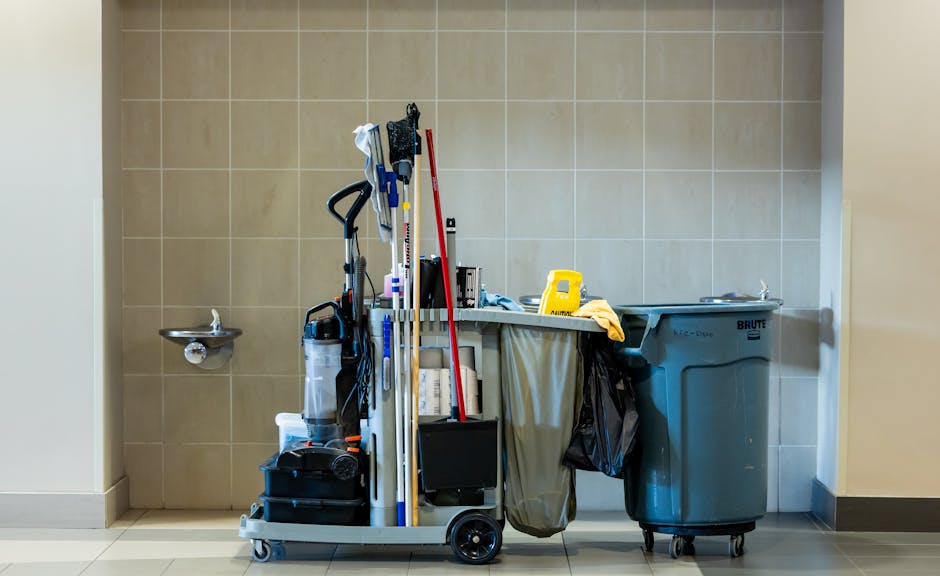
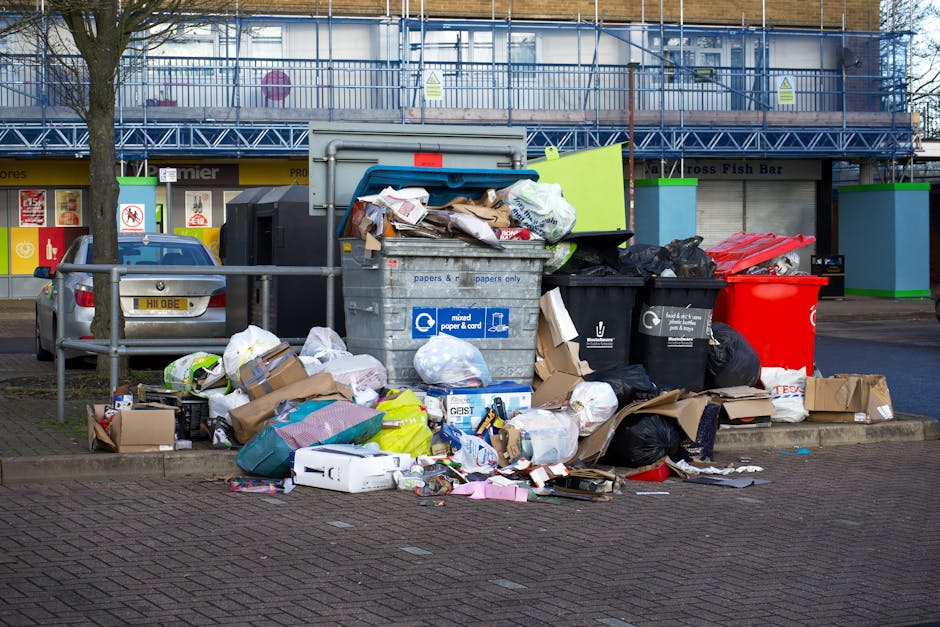
Harrow Council rules for commercial cleaning waste
If you run a cleaning contract, manage an office, or look after a shop, block of flats, or hospitality venue in Harrow, waste disposal can get messy fast. Harrow Council rules for commercial cleaning waste are not just paperwork in the background; they shape how cleaning waste is stored, sorted, collected, and removed from site. Get it wrong and you risk complaints, fly-tipping problems, missed collections, or a site that looks untidy before the day has even started.
Truth be told, most issues start with the small stuff: a bin lid left open, a sack of mixed rubbish put out too early, a bucket of dirty water tipped somewhere unsuitable, or a contractor assuming "it's only cleaning waste, it'll be fine". Usually, it isn't that simple. This guide explains the practical side in plain English so you can stay compliant, keep clients happy, and avoid the awkward sort of surprise that nobody wants at 7:30 on a wet Tuesday morning.
For businesses that need recurring help, commercial waste handling often sits alongside services such as commercial cleaning and office cleaning, especially where waste needs to be separated and managed as part of the clean itself. The aim here is simple: make the council expectations feel workable, not overwhelming.
Table of Contents
- Why Harrow Council rules for commercial cleaning waste Matters
- How Harrow Council rules for commercial cleaning waste Works
- Key Benefits and Practical Advantages
- Who This Is For and When It Makes Sense
- Step-by-Step Guidance
- Expert Tips for Better Results
- Common Mistakes to Avoid
- Tools, Resources and Recommendations
- Law, Compliance, Standards, or Best Practice
- Options, Methods, or Comparison Table
- Case Study or Real-World Example
- Practical Checklist
- Conclusion
- Frequently Asked Questions
Why Harrow Council rules for commercial cleaning waste Matters
Commercial cleaning waste is more than just "rubbish from cleaning". It can include paper towels, packaging, food-contaminated waste, disposable cloths, mop heads, vacuum contents, broken items found during cleaning, and occasionally waste with a sharper edge than expected. In a business setting, all of that has to be managed in a way that is safe, tidy, and consistent with local expectations.
Why does this matter so much? Because waste problems usually spread. One poorly handled bin area can affect pest control, smells, slip risks, customer perception, and even the landlord's view of the site. If you've ever walked into an office kitchen and caught that faint sour odour from a forgotten bin bag, you'll know exactly what I mean. Not ideal.
Local council rules also matter because commercial waste is normally the business's responsibility, not the local authority's household collection system. That means businesses need the right arrangements in place for storage, collection, and responsible disposal. When cleaning teams understand that early, everything tends to run smoother. Fewer disputes. Fewer missed pickups. Less faff.
This also links closely with sustainability. Many businesses now want cleaning waste managed sensibly rather than just shoved into the nearest sack. A cleaner waste process can support better recycling, cleaner storage areas, and fewer unnecessary collections. If your organisation already cares about this side of things, the recycling and sustainability approach used by your cleaning provider becomes part of the bigger picture.
How Harrow Council rules for commercial cleaning waste Works
At a practical level, the system usually works like this: the business identifies the waste being produced, decides how it should be separated, arranges the right collection method, and ensures it is stored safely until removal. That sounds neat on paper. Real life, as ever, can be a bit less tidy.
For cleaning teams, the key question is not only what the waste is, but who owns it and where it goes. A contractor cleaning an office after hours may be generating waste on behalf of the client, but the business still needs to know how that waste will be handled. For example, a mixed bag of tissues, food packaging, and wipe cloths may be acceptable in one disposal stream, while chemical containers or specialist waste may need separate treatment.
Here's the part many people miss: "cleaning waste" can be a very broad label. Some waste is ordinary and dry. Some is wet, contaminated, or sharp. Some may be bulky if a deep clean reveals old broken fixtures or damaged items. In premises where regular service is provided, such as regular cleaning, it helps to agree in advance what the cleaner may remove and what must be reported instead of discarded.
In general, the workflow should include:
- separating recyclable and non-recyclable materials where appropriate
- keeping waste in suitable containers or liners
- avoiding overfilled bins that could split or attract pests
- ensuring any wet or contaminated waste is sealed properly
- arranging collections that match the volume actually produced
- keeping hazardous or unusual waste out of standard rubbish streams
If the site is a high-traffic property, such as a managed block or shared building, waste handling also needs to work around residents and other users. In those settings, communal area cleaning often overlaps with bin store management, which can make a big difference to hygiene and presentation.
Key Benefits and Practical Advantages
Following the right waste process is not just about avoiding a problem letter. It creates practical advantages that people notice every week.
Cleaner premises. Waste that is bagged, separated, and removed correctly keeps bins from overflowing and reduces odour.
Safer working conditions. A well-managed waste area lowers the risk of slips, sharp object injuries, and cross-contamination.
Better client confidence. Visitors, tenants, and staff are quick to notice whether waste areas are under control. They may not say anything, but they notice. Oh yes, they do.
Smoother operations. When cleaners know what they can remove and how, there are fewer interruptions and fewer "what do we do with this?" moments.
Better sustainability outcomes. Clear segregation means more material can be recycled instead of treated as general waste.
Lower risk of disputes. Written arrangements around waste prevent arguments between cleaning teams, building managers, and clients.
For businesses with specialist cleaning needs, waste handling may be part of a wider service package. That can be especially true after refurbishment or fit-out work, where after builders cleaning often produces a different mix of debris, dust, packaging, and residual waste. Different job, different waste profile.
Who This Is For and When It Makes Sense
This topic matters to a wider group than many people first expect.
- Office managers who need cleaners to dispose of everyday rubbish responsibly
- Facilities teams overseeing bin stores, waste segregation, and collection schedules
- Cleaning contractors who want clear site rules before starting work
- Landlords and managing agents handling shared commercial or mixed-use buildings
- Hospitality operators who generate food waste, packaging, and front-of-house rubbish
- Retail and service businesses that need consistent bin management without affecting customers
It also makes sense for businesses that bring in cleaners for a one-off project rather than a standing contract. A deep clean, post-works clean, or move-in preparation can generate waste faster than people expect. If that sounds familiar, the planning often overlaps with deep cleaning or move-in cleaning, where the waste burden may be slightly heavier for a short period.
If the site is customer-facing and includes windows, carpets, upholstery, or soft furnishings, then waste can also build up from packaging, liners, and protective materials used during the job. That sort of practical detail sounds dull until it suddenly isn't. Then it becomes the whole conversation.
Step-by-Step Guidance
Here is a practical way to manage commercial cleaning waste in line with local expectations.
- Identify the waste types. Start by listing what the cleaner actually produces: dry waste, wet waste, recyclable packaging, food-related material, disposable cloths, broken items, and anything unusual.
- Separate everyday waste from special waste. Do not mix cleaning chemicals, sharps, or damaged equipment into general bags. If you are unsure, treat it cautiously and escalate it.
- Set bin rules for the site. Decide where waste should go, who can remove it, and what should never be put in standard bins. This is especially helpful for offices and shared sites.
- Use suitable liners and containers. A good liner sounds boring, but it prevents leaks and keeps the waste area calmer and cleaner.
- Keep storage tidy. Bags should be sealed, bins closed, and external storage areas free from spillage and loose items.
- Match collections to actual volume. If collections are too infrequent, waste starts to pile up. Too frequent, and you are paying for air. Neither is ideal.
- Record recurring issues. If the same bin overflows every Friday, that is a pattern, not a coincidence.
- Review the arrangement after busy periods. Events, seasonal peaks, and refurbishment can all change waste output quickly.
For some clients, it helps to think of this as part of the cleaning specification rather than a separate afterthought. A routine one-off cleaning appointment, for example, may need a short waste plan before the team arrives, especially if there is a lot of packaging or cleared-out clutter.
Expert Tips for Better Results
Over time, the difference between a decent waste system and a frustrating one often comes down to small operational choices. A few things are worth doing properly from the start.
Write the waste rules down. Not as a grand policy document, just something usable. A one-page site note is often enough. Who empties the bins? Which waste stays on site? What happens if a cleaner finds broken glass or a leaking item?
Keep the bin area visible and easy to access. If staff have to climb over boxes or squeeze past cleaning equipment, waste will end up in the wrong place. People take shortcuts. Always.
Use clear labels. A plain label for general waste, mixed recycling, and food waste can cut confusion dramatically. You do not need a museum exhibit. Just clarity.
Plan around the real rhythm of the building. An office on a Monday morning behaves differently from a restaurant after close of service. Waste patterns change with use, and the system should reflect that.
Train new staff quickly. The person covering a shift may not know the unwritten rules. That is how avoidable mistakes happen.
Review special materials separately. Glass, sharps, chemical residues, sanitary waste, and bulky broken items should not be treated casually. If they appear, stop and reassess rather than guessing.
A quick practical note: if you provide services across several property types, waste handling should vary with the job. The approach needed for carpet cleaning is not the same as the approach needed for window cleaning. Different residue, different risk, different bin load.
Common Mistakes to Avoid
Some errors are so common they almost become habits. Better to catch them before they turn into recurring mess.
- Mixing everything together. Recyclables, food waste, and general rubbish are often thrown into one bag to save time. It saves time now and creates time later, usually when someone has to sort through it.
- Using the wrong containers. Thin bags split. Open bins smell. Lopsided sacks fall over. All very minor until the floor is sticky and somebody has to mop it up.
- Leaving waste beside the bin. That tends to happen when a container is full or collections are not planned well. It is one of the fastest ways to make a tidy site look chaotic.
- Ignoring wet waste. Damp cloths, spill material, or contaminated items can cause odour and hygiene issues faster than people expect.
- Assuming the cleaner can dispose of anything. A cleaner can handle routine waste, but not every item should go into the normal stream.
- Forgetting shared spaces. In communal buildings, one business's waste can become everyone's problem if the process is sloppy.
There is also a sneaky mistake that gets overlooked: failing to agree in advance what counts as part of the clean. A contractor might think they are removing bagged waste from a kitchen area, while the client expects them to clear a storeroom. That gap in expectation causes friction. Every time.
Tools, Resources and Recommendations
You do not need a complicated system to manage this well. A few simple tools make a big difference.
- Colour-coded bins or liners to reduce sorting confusion
- Clear signage for general, recyclable, and food waste streams
- Heavy-duty liners for damp or heavier waste loads
- Spill kits and gloves for unexpected messes
- Waste log sheets to track recurring issues or collection problems
- Locked or covered storage where the site layout requires it
For service planning, it also helps to coordinate with your cleaning provider before the job starts. A good provider should be able to explain how they manage waste within their own working method and how that fits your site. If you want to understand how a provider works in practice, their health and safety policy and insurance and safety information can tell you a lot about their overall approach.
If you are comparing service options, pricing and quotes can also matter because waste handling is often affected by job scope, frequency, and the complexity of the site. Cheap is not always cheap once collections, cleanup time, and risk are counted properly.
Law, Compliance, Standards, or Best Practice
Commercial cleaning waste in Harrow sits within the wider framework of UK waste duty of care and local collection arrangements. That means businesses are generally expected to store waste safely, prevent escape or littering, and use appropriate collection routes. Council rules can shape practical details such as storage conditions, collection timing, and how waste should be presented for removal.
Rather than trying to memorise every possible rule, it is usually wiser to build a simple compliance habit:
- know what waste your site produces
- separate waste streams where it is practical to do so
- keep waste secure until collection
- avoid overfilling bins or leaving sacks outside early
- make sure your contractor understands the site-specific process
- keep an eye on unusual items and deal with them separately
Best practice also means respecting the difference between general commercial waste and anything hazardous, contaminated, or specialist. If cleaning activity creates waste that is unusual, sharp, chemical, or visibly contaminated, do not assume it belongs in the usual bin. Pause, check, and use the safer route.
In a local business setting, small compliance gaps can spread quickly. A bin left open behind a shop can attract pests. A bag placed in the wrong stream can disrupt recycling. A careless disposal route can trigger a complaint from building management. None of this is dramatic, but it is exactly the kind of thing that eats time and energy. And nobody has spare time, let's face it.
Options, Methods, or Comparison Table
Most businesses end up using one of three broad approaches. The right choice depends on waste volume, site type, and how often cleaners are on site.
| Method | Best for | Pros | Watch-outs |
|---|---|---|---|
| Basic bin-and-bag setup | Small offices, low-volume sites, light cleaning waste | Simple, low effort, easy to train staff | Can break down quickly if waste volume rises |
| Separated waste streams | Busy commercial premises, managed buildings, sustainability-focused sites | Cleaner recycling, better control, clearer compliance | Needs better signage and a bit more discipline |
| Managed contractor-led system | Larger contracts, multi-site businesses, recurring cleaning operations | Consistent process, less client admin, better oversight | Requires strong agreement on responsibility and scope |
In many real-world settings, a hybrid version works best. For example, an office may use separate bins for everyday recycling and general waste, while the cleaning team follows a specific process for clearing meeting rooms after events or late working. Simple enough, once it is agreed. Confusing only when nobody owns the process.
Case Study or Real-World Example
Imagine a mid-sized office in Harrow that runs late meetings twice a week and gets a regular weekday clean. At first, the cleaning team bags all waste together. The bin store starts to smell by Thursday, recycling gets contaminated, and the facilities manager receives complaints about bags being left next to the wrong container.
The fix is not complicated, but it does require a proper reset. The business separates dry recyclables from general waste, adds clear labels in the kitchen and print area, and agrees that any waste from cleaning after events must be sealed and taken to the correct storage point before the cleaner leaves. A short induction covers what to do with spilled drinks, broken glass in the kitchen, and overfull bins.
Within a few weeks, the bin store is calmer. Less overflow. Fewer smells. Fewer crossed wires between staff and cleaners. Nothing magical, just better process.
That is often how good waste management works in practice. No grand transformation. Just a handful of sensible habits done consistently.
Practical Checklist
Use this checklist before, during, or after a commercial clean if you want waste handling to stay under control.
- Have you identified the main waste types on site?
- Are general waste and recycling separated where practical?
- Do cleaners know which bins they may use?
- Are liners strong enough for the waste being produced?
- Is the bin store tidy, accessible, and covered where needed?
- Are any wet, sharp, or unusual items being treated separately?
- Is the collection schedule realistic for the volume?
- Have you briefed temporary or cover staff?
- Are recycling and sustainability expectations clear?
- Have you reviewed the setup after busy periods or special events?
If you can tick most of those off, you are in a much better position than many sites. Not perfect, maybe. But solid. And solid is what you want here.
Conclusion
Harrow Council rules for commercial cleaning waste are really about control, clarity, and responsibility. Once a business understands what kind of waste it produces and how it should be stored and removed, the whole operation becomes easier. The bins stop becoming a headache. The site looks better. Cleaners work more smoothly. And clients, staff, or tenants notice the difference without needing a long explanation.
My honest advice? Keep the process simple, document the basics, and revisit the arrangement whenever the site changes. New service, new fit-out, new tenant, bigger event, different waste pattern. That is usually the moment to tighten things up again.
If you want support with site cleaning that pays attention to practical waste handling as well as the visible finish, explore the wider service information on about us, review the terms and conditions, or speak directly through the contact page when you are ready.
Get a free quote today and see how much you can save.
Done properly, waste management is one of those quiet wins that makes a workplace feel under control. Little by little, it all adds up.
Frequently Asked Questions
What counts as commercial cleaning waste in Harrow?
It usually includes the everyday waste created during cleaning jobs in business premises: paper towels, packaging, disposable cloths, bin liners, vacuum contents, and general rubbish removed from offices, shops, or shared buildings. Special or hazardous items need separate handling.
Do cleaners in Harrow have to sort waste for recycling?
Where recycling streams are available and the site has a clear system, it is good practice for cleaners to separate waste correctly. The exact setup depends on the building, the service agreement, and how the site is managed day to day.
Can a cleaner throw away broken items they find during a clean?
Not automatically. Small ordinary items may be handled as agreed, but damaged fixtures, sharp objects, or bulky broken materials should usually be reported first. It is better to check than to assume.
Who is responsible for commercial waste: the council or the business?
For most commercial premises, the business is responsible for arranging and managing its own waste disposal. The council's role is part of the wider local framework, but businesses normally need their own collection and storage arrangements.
What should happen with wet or contaminated cleaning waste?
Wet or contaminated waste should be sealed and managed carefully so it does not leak, smell, or create hygiene problems. If it may be hazardous or unusual, it should be treated separately rather than put into a standard bin.
How often should commercial cleaning waste be collected?
That depends on the size of the site, the type of business, and how much waste the cleaning routine creates. A busy office or hospitality venue may need more frequent collections than a small low-traffic workplace.
Is fly-tipping a risk if waste is left outside a business?
Yes. Leaving sacks or loose waste outside too early or in the wrong place can create a mess and a security issue. It is also one of the easiest ways to end up with a complaint from neighbours or building management.
Does after builders cleaning create different waste rules?
Often, yes. Post-refurbishment work can produce debris, packaging, plaster dust, and leftover materials, so the waste profile is usually different from routine office cleaning. It needs a separate look at what can be removed and what must be dealt with elsewhere.
What if my building has shared bins?
Shared bins make good communication more important. The site needs clear rules so one business does not contaminate another's waste stream or fill the bin store too early. Communal spaces can get messy quickly if nobody is in charge.
How do I reduce waste problems during regular cleaning?
Start with the basics: clear bin labels, suitable liners, regular collection, and a simple written process for staff and cleaners. A routine service such as regular cleaning works best when waste handling is built into the routine rather than left to guesswork.
Can waste handling be included in a commercial cleaning specification?
Yes, and it should be. A good specification can set out what waste the cleaner handles, where it goes, how often bins are emptied, and what needs approval before disposal. That one step prevents a surprising amount of confusion later.
Where can I find more about a cleaning company's standards?
It is sensible to review pages such as insurance and safety and health and safety so you can see how the provider approaches risk, compliance, and day-to-day work. That tells you a lot, honestly, before any job even begins.