Fines and recycling rules for Harrow bulky waste: what residents need to know
If you are dealing with a bulky item in Harrow - a sofa, mattress, wardrobe, broken desk, or a few heavy bags of mixed household junk - the rules can feel oddly strict for something so ordinary. That is usually where mistakes happen. One person leaves an item beside a bin. Another books removal without checking what can be recycled. Suddenly the problem is no longer just clutter; it can become a fine, a missed collection, or a pile of waste that nobody wants to touch.
This guide explains Fines and recycling rules for Harrow bulky waste in plain English. You will learn how bulky waste is typically handled, what causes penalties, how recycling decisions are made, and how to avoid the kind of slip-ups that are annoyingly common. We will also cover practical steps, best practices, and a realistic checklist you can use before anything leaves your home.
Why fines and recycling rules matter
Bulky waste is one of those everyday jobs that looks simple until it isn't. A mattress leaned against a wall may seem harmless for an hour or two. But in many situations, leaving waste out incorrectly can be treated as fly-tipping, obstruct a footway, or create a nuisance for neighbours and building managers. That is where the risk of fines starts to matter.
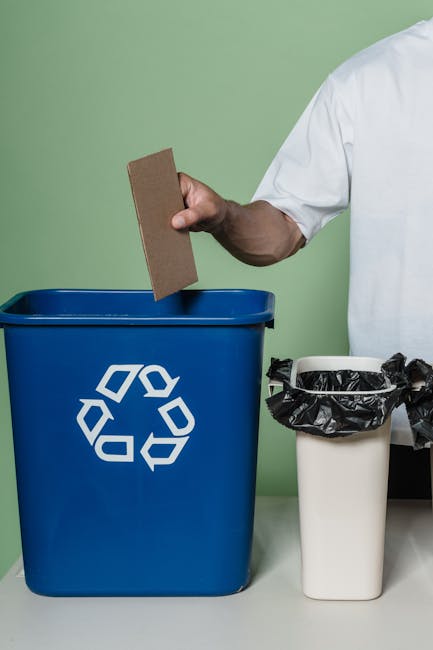
The recycling side matters just as much. A bulky item is rarely just one material. A wardrobe might contain wood, metal fixings, and mirrors. A sofa may include fabric, foam, timber, and springs. If an item is put forward for collection or disposal without proper sorting, recyclable material can be lost, and reusable parts may end up as general waste. That is bad for cost, waste reduction, and the local environment - not a great trade-off, honestly.
For Harrow residents, the practical aim is simple: keep waste legal, keep it recyclable where possible, and keep it from becoming someone else's problem. If you are already thinking about the clean-up that comes after moving out, a deep clean or move-out cleaning visit can also help you spot items that should be dealt with properly before handover.
Practical takeaway: the safest approach is to treat bulky waste as a managed process, not a last-minute shove into the nearest bin area.
How fines and recycling rules for Harrow bulky waste works
At a basic level, bulky waste follows a decision chain: identify the item, check what it is made from, choose a legal disposal route, and make sure the item is presented correctly. When any part of that chain breaks, problems begin.
In practice, residents usually need to consider five things:
- Whether the item is actually classified as bulky waste.
- Whether it contains recyclable components.
- Whether it is safe to move without dismantling.
- Whether it should be collected, taken to a disposal point, or passed on for reuse.
- Whether the waste is being placed out in a way that could trigger enforcement action.
Fines typically arise when waste is dumped, abandoned, or placed where it should not be. That includes leaving items on communal land without permission, using the wrong collection method, or handing waste to someone who is not properly authorised. Many people think, "It's only one chair." But one chair can still be one chair too many if it ends up on the pavement overnight.
Recycling rules are more about sorting and preparation. Some bulky items can be broken down into separate parts before disposal. In a typical home clear-out, you may separate metal frames, recyclable wood, textiles, and electrical components. This is also where a one-off cleaning service can be useful after the removal itself, because dusty corners, hidden screws, and packaging often get left behind.
There is also a common sense layer to all of this. If an item is reusable, donating or passing it on can be better than paying to throw it away. If it is damaged but partly recyclable, breaking it down carefully can reduce general waste. If it is contaminated, damp, or infested, disposal decisions change again. Bit of a nuisance? Yes. But still manageable.
Key benefits and practical advantages
Following the bulky waste rules is not only about avoiding a fine. It also makes the whole job easier. The benefits are bigger than most people expect.
- Lower legal risk: you reduce the chance of penalties for improper disposal or obstruction.
- Less waste to landfill: sorting recyclable materials keeps more material in circulation.
- Cleaner communal areas: hallways, driveways, shared bin stores, and front paths stay clear.
- Better neighbour relations: nobody enjoys stepping around a broken bed frame on a wet Tuesday evening.
- Smoother moving or refurbishment projects: when waste is handled properly, the rest of the job flows better too.
There is also a hidden time benefit. People often lose hours trying to improvise a disposal plan. They borrow a car that is too small, make multiple trips, and still end up unsure whether the item was accepted. A proper plan, even a simple one, usually saves more time than it takes to organise.
If you are clearing out after tenancy changes or a household reset, pairing waste planning with end of tenancy cleaning or house cleaning can make the whole property easier to manage. In our experience, that is often the point where people finally breathe out.
Who this is for and when it makes sense
This guidance is relevant to a wide range of people in Harrow. You may be a tenant, homeowner, landlord, letting agent, facilities manager, or someone dealing with a family property clear-out. If bulky items are being removed from anywhere that other people use or pass through, the stakes go up a little.
It makes particular sense if you are:
- moving home and need to clear large furniture fast;
- emptying a flat after a tenancy ends;
- replacing a sofa, mattress, rug, or appliance;
- dealing with office furniture or stockroom clutter;
- managing a communal area where waste can affect several households;
- working through post-renovation debris and packaging after builders leave.
For commercial spaces, bulky waste becomes a logistics issue as much as a disposal issue. Office chairs, filing cabinets, broken shelving, and old screens need a plan that avoids disruption. That is where a service like commercial cleaning can help support the wider clearance process, especially if rubbish removal is happening alongside a workspace reset.
And for landlords or property managers, the real question is not just "Can we remove it?" It is "Can we remove it without leaving a mess, a complaint, or a penalty trail behind?" That is the sensible frame, really.
Step-by-step guidance
Here is a practical way to handle bulky waste in Harrow without making life harder for yourself.
- List every item. Write down what needs to go. Include dimensions if you can. A quick note on whether it is wood, metal, fabric, or mixed material is very helpful.
- Check for reuse first. If an item is usable, clean and functional, consider donation or resale. A decent table or chair may have more life left in it than you think.
- Separate materials where possible. Remove cushions, detachable legs, shelves, cables, and loose fixtures. Mixed waste is harder to recycle and sometimes costs more to deal with.
- Look for hazardous elements. Batteries, lamps, sharp metal, broken glass, and electrical parts need extra care. Do not bundle them thoughtlessly into one load.
- Choose the right disposal route. That may mean a bulky waste collection, a licensed waste carrier, or a proper local disposal point. The wrong route can create trouble later.
- Present the waste correctly. Keep items in the agreed place and time window. Do not block shared access or leave items where they might be mistaken for dumping.
- Get proof where relevant. If a third party is handling disposal, keep records. A receipt, job confirmation, or written agreement can matter if a dispute arises.
- Finish with a clearance check. Once the item is gone, sweep up debris, screws, and packaging. That final pass is tiny, but it saves headaches.
If the waste removal is tied to a move or refurbishment, scheduling it around move-in cleaning or after builders cleaning can be smart. You get the dust, rubbish, and loose ends handled in a cleaner sequence instead of all at once.
Expert tips for better results
A few small decisions make a big difference with bulky waste. These are the things people who deal with it regularly tend to do without fuss.
- Dismantle before you move. A flat-pack wardrobe split into panels is easier to handle than a wobbling full unit down a staircase.
- Photograph the items first. Photos help you plan transport, compare services, and avoid awkward surprises on the day.
- Keep clean and dirty waste separate. A lightly used sofa and a soaked, mouldy one are not the same problem.
- Protect shared spaces. Use blankets, cardboard, or careful carrying routes in halls and entrances.
- Think about timing. Early morning pickups can reduce disturbance. Late evening dumping, by contrast, tends to look suspicious and feels a bit grim.
One small but useful habit is to stand in the room and ask: "If I had to move this alone on a wet day, would I still choose this plan?" That sounds a bit dramatic, maybe, but it is a good test. If the answer is no, rethink the method.
For softer items like carpets, rugs, sofas, or mattresses, the cleaning condition matters too. A fresh-looking item may be suitable for reuse, while an embedded stain or odour can make recycling or donation unrealistic. Services such as carpet cleaning, rug cleaning, sofa cleaning, upholstery cleaning, and mattress cleaning can help extend an item's life when reuse is possible.
Common mistakes to avoid
Most bulky waste problems come from a short list of avoidable mistakes. Nothing exotic. Just ordinary rush, guesswork, and the classic "I thought it would be fine."
- Leaving items in the wrong place: even a tidy-looking pile can count as an issue if it is not where it should be.
- Assuming everything is recyclable: mixed-material items are not automatically accepted as recycling.
- Skipping dismantling: large items are often harder and more expensive to move whole.
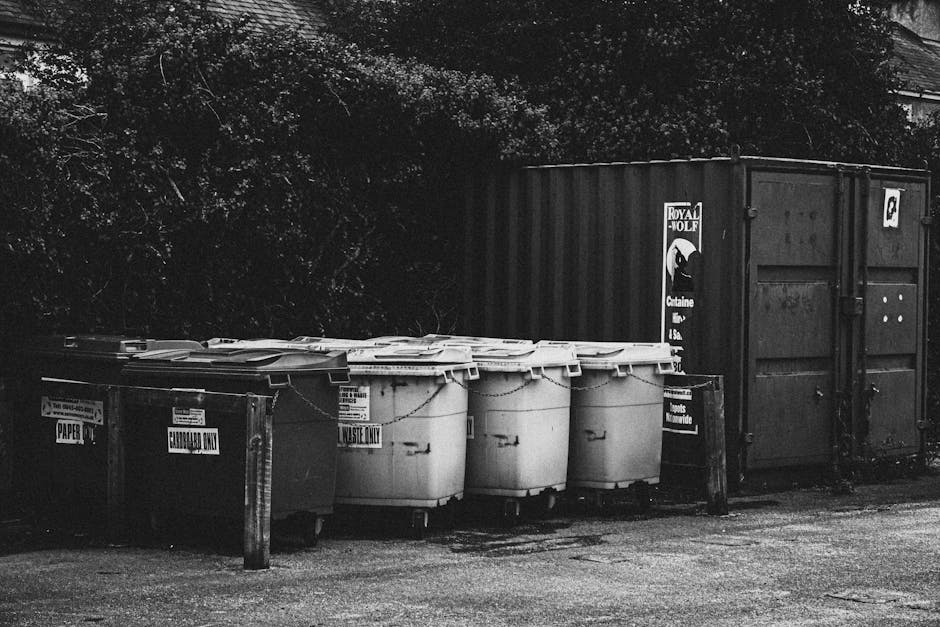
- Ignoring communal rules: flats and shared buildings often have their own expectations about waste storage.
- Using unverified disposal help: handing waste to someone unofficial can create liability for you.
- Forgetting contamination: food residue, wet material, and mould can change how waste must be treated.
There is also a subtle mistake people make: they focus on the item and ignore the setting. A mattress on private land, a mattress in a shared hallway, and a mattress outside a shopfront are three very different situations. Same object, different risk. That distinction matters a lot.
For landlords and hosts, this comes up often after tenant turnover or guest departures. If a property has a mix of furniture, textile waste, and residual rubbish, a coordinated Airbnb cleaning or regular cleaning schedule can reduce the chance of waste being left behind in the first place.
Tools, resources and recommendations
You do not need fancy equipment to manage bulky waste properly. A few simple tools make the job safer and more organised.
| Tool or resource | What it helps with | Why it matters |
|---|---|---|
| Tape measure | Measuring furniture and access routes | Prevents surprises at stairwells, doors, and lifts |
| Marker pen and labels | Sorting dismantled parts | Makes recycling and reuse easier |
| Heavy-duty gloves | Handling rough edges and broken fittings | Reduces the risk of cuts and scrapes |
| Blankets or cardboard sheets | Protecting floors and shared areas | Keeps hallways and entrances cleaner |
| Camera phone | Recording item condition and removal evidence | Useful if you need proof of what was handled |
On the service side, the most useful recommendation is to pair waste removal with proper cleaning and preparation. That could mean deep cleaning before handover, window cleaning after dusty item moves, or office cleaning if the space is commercial.
For peace of mind, it can also help to review business terms and service expectations before booking any help. The pages on pricing and quotes, terms and conditions, and insurance and safety are useful reference points when you want to understand what is covered and how the work is handled.
Law, compliance, standards and best practice
Bulky waste disposal in the UK is shaped by general waste law, local authority rules, property access considerations, and common best practice around duty of care. You do not need to become a legal specialist to handle your sofa or wardrobe properly, but you do need to avoid casual assumptions.
In plain terms, the safest compliance approach is this:
- Do not dump waste or leave it in public areas.
- Use authorised collection or disposal routes.
- Separate recyclable materials where practical.
- Keep records when a third party handles the waste.
- Follow building rules for shared halls, bin stores, and loading areas.
Best practice also includes checking whether an item could be reused or repaired before disposal. That matters for furniture, textiles, and some household goods. A scratched table may still serve someone well. A mattress with structural damage or hygiene issues is different. Common sense again - it sounds obvious, but in the middle of a clear-out people sometimes overlook it.
For waste linked to renovation, maintenance, or tenant changeovers, it is sensible to combine disposal with a broader property hygiene plan. That is where services such as move-out cleaning and communal area cleaning can support cleaner, safer transitions without turning the place into a half-finished project.
Key compliance note: if you are ever unsure whether an item is classed as normal bulky waste, contaminated waste, or something requiring special handling, pause and check before putting it out. That little pause can save a lot of bother.
Options and comparison table
There is no single right answer for every bulky item. The best option depends on condition, size, access, urgency, and whether you want the item reused, recycled, or simply removed.
| Option | Best for | Pros | Watch-outs |
|---|---|---|---|
| Reuse or donation | Usable furniture and household items | Low waste, often the greenest choice | Needs to be clean, complete, and acceptable |
| Bulky waste collection | Large domestic items that are ready for removal | Convenient and planned | Must be presented correctly and within the rules |
| Licensed waste removal | Mixed, awkward, or higher-volume loads | Useful when access is tight or several items are involved | Check the provider carefully and keep records |
| Break down and sort | Items with separate recyclable parts | Can reduce disposal volume and improve recycling | Takes time and safe handling |
If you are balancing waste removal with a bigger property refresh, a simple combination often works best. For example, clear the furniture first, then complete domestic cleaning or move-in cleaning once the room is empty. That sequence saves you cleaning around items that are just going to disappear anyway.
Case study or real-world example
Picture a small flat in Harrow at the end of a tenancy. The tenant has a worn sofa, a broken dining chair, a mattress, and a table with a loose leg. At first glance it looks like one simple clearance. But the sofa is too large for easy carrying, the mattress is bulky but manageable, and the table could probably be dismantled and partly reused. One item is mixed-material, one is reusable, and one is just awkward.
Instead of setting everything outside together, the resident separates the table, photographs the items, checks the building's waste rules, and books removal for a morning slot. After the items leave, they sweep the hallway, vacuum the corners, and arrange a proper clean before final inspection. Nothing dramatic. Just a sensible sequence.
The difference is not magic. It is the absence of rushed choices. There is no pile on the pavement, no guessing, no awkward email later asking who moved what. And yes, a bit less stress. Always welcome.
In a commercial example, an office replacing old desks and chairs may also need office cleaning after the removal to catch dust, cable debris, and those tiny screws that seem to appear from nowhere. A tidy final pass usually makes the whole project feel finished rather than abandoned.
Practical checklist
Use this checklist before your bulky waste leaves the property.
- Have I listed every item that needs to go?
- Could any item be reused, donated, or repaired?
- Have I separated recyclable parts where safe to do so?
- Have I removed batteries, loose glass, or hazardous extras?
- Do I know where the waste can legally be placed or collected from?
- Have I checked access routes, lifts, stairs, and doorway widths?
- Will the waste block shared spaces or cause a nuisance if left out?
- Do I have proof of collection or disposal if a third party is involved?
- Have I planned the cleaning that comes after the clearance?
- Have I checked any building, landlord, or tenancy rules that apply?
If the answer to any of those is "not yet," pause and sort that out first. It is usually easier than dealing with a complaint after the fact.
Get a free quote today and see how much you can save.
Conclusion
Fines and recycling rules for Harrow bulky waste are really about two things: doing the job legally and doing it thoughtfully. Get those right and the rest gets easier. You avoid penalties, reduce waste, protect shared spaces, and make the property cleaner for the next stage, whether that is moving, renting, selling, or just getting your own home back in order.
The simplest approach is usually the best one: sort carefully, move safely, recycle what you can, and never leave bulky items in a place where they could become a problem. That is the kind of practical habit that pays off quietly.
And if this feels like one more thing on an already full list, fair enough - it often is. But once it is handled properly, the place feels lighter. Quieter. Much easier to live with.
Frequently Asked Questions
What counts as bulky waste in Harrow?
Bulky waste usually means large household items that are too big for normal bins, such as sofas, mattresses, tables, wardrobes, chairs, and similar furniture. Some electricals and mixed items may also fall into this category, depending on their size and composition.
Can I leave bulky items outside my home for collection?
Only if the waste is being collected through the correct route and placed exactly where and when it should be. Leaving items out casually can create a risk of enforcement action, complaints, or confusion over whether the waste is abandoned.
What items are most likely to be recyclable?
Items with separable metal, wood, or fabric components may offer recycling opportunities, though acceptance depends on condition and contamination. Clean, dry, and disassembled items are usually easier to handle than mixed or damaged loads.
Do fines apply if someone else dumps waste on my behalf?
Potentially, yes. If you hand waste to an unverified person or allow disposal to happen irresponsibly, you may still face problems. That is why it is worth keeping records and using proper disposal arrangements.
Is a mattress treated differently from other bulky waste?
Often, yes. Mattresses can be awkward because they contain multiple materials and may be unsuitable for reuse if they are stained, damp, or structurally damaged. They also need careful handling to keep shared areas clean and safe.
What should I do before getting rid of a sofa?
Check whether it can be reused, remove cushions or detachable parts, and make sure any hidden hazards are dealt with. If the sofa is going through a property turnover, a related sofa cleaning or general tidy-up may help decide whether reuse is realistic.
How can I reduce the cost of bulky waste removal?
Separate recyclable components, dismantle items where safe, avoid contaminating the load, and only dispose of what truly needs to go. Good preparation often reduces handling time and makes the job more efficient.
What if I live in a flat with communal bin areas?
Then you should be extra careful. Shared spaces are where bulky waste can cause the most trouble. Check building rules, avoid blocking access, and use the correct collection method so the item does not become a nuisance for neighbours.
Can cleaning services help with bulky waste situations?
Yes, especially when waste removal is part of a move, tenancy end, or renovation. Services such as end of tenancy cleaning, after builders cleaning, and deep cleaning can help complete the job properly.
What is the safest way to avoid a bulky waste fine?
Follow the presentation rules, do not dump items in public or shared spaces, use approved disposal methods, and keep a record of what you have arranged. In most cases, the safest route is also the simplest one.
Should I clean items before recycling or disposal?
If the item might be reused, yes - a quick clean can make a real difference. If it is going to disposal, removing dirt, food residue, and loose debris can still help with handling and reduce contamination concerns.
Where can I get help if I am unsure about the process?
Start by reviewing the property's own rules, then check the service details and standards on the relevant pages you need, such as pricing and quotes and terms and conditions. If the job involves wider cleaning, consider speaking with a provider directly so the waste and cleaning steps are planned together.