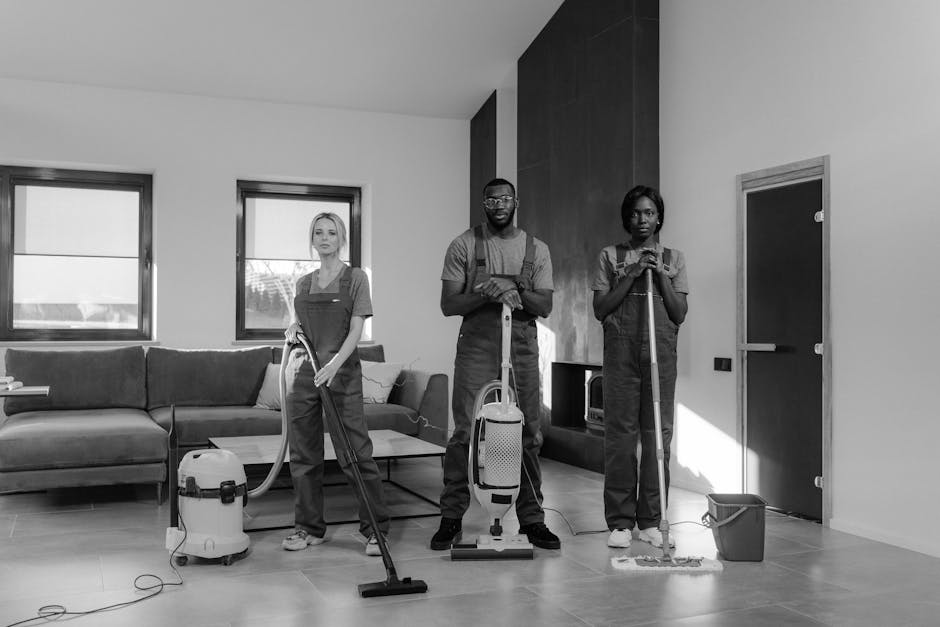
Best end of tenancy cleaning Harrow on the Hill: a practical guide for a smoother move-out
If you are getting ready to leave a rented home in Harrow on the Hill, the cleaning stage can feel oddly bigger than the packing stage. Boxes are easier. Cleaning is the bit that decides whether a property looks "lived in" or properly handed back. And that matters a lot. This guide to the Best end of tenancy cleaning Harrow on the Hill explains what the service covers, why it matters, how to judge quality, and how to avoid the small mistakes that can turn into expensive delays. If you want a clearer idea of what professional cleaning should achieve, you are in the right place.
We will also look at what tenants usually miss, what landlords and letting agents tend to inspect, and how to plan the clean so you are not rushing around at 9pm with a scraper and a tired face. Truth be told, that last-night panic is very common.
Why Best end of tenancy cleaning Harrow on the Hill Matters
End of tenancy cleaning is not just a "deep clean with extra effort". It is a focused reset of the property so it can be returned in a presentable, hygienic condition at the end of the tenancy. In Harrow on the Hill, where properties range from compact flats to older homes with character, the standard can vary a lot. Some homes have delicate surfaces, older fittings, or carpeted areas that need careful handling. Others have small kitchens and bathrooms where grease and limescale build up faster than you might expect.
For tenants, the practical reason is straightforward: you want to give yourself the best chance of a smooth handover. For landlords and letting agents, the goal is consistency. They are usually checking whether the property has been left clean enough for the next occupant without needing a full remedial clean. That does not mean every speck must vanish forever. It does mean the place should look properly cared for.
There is also the emotional side of it. Moving out is already disruptive. By the time you are staring at an empty fridge shelf and a dusty skirting board, you are probably done with the whole thing. A structured clean reduces that end-of-tenancy chaos, which is worth a lot in itself. If you are also planning a move within the wider borough, you may find the local context useful in this guide to living in Harrow and this look at Harrow as a charming London suburb.
Practical takeaway: the best move-out clean is not the one that looks shiny in one room and rushed in another. It is the one that makes the whole property feel uniformly cared for, from the hob to the hallway.
How Best end of tenancy cleaning Harrow on the Hill Works
A proper end of tenancy clean follows a logical sequence. It starts with the areas most likely to be inspected first, then moves into the details that often decide whether a landlord or letting agent is satisfied. The exact order can vary, but the method usually follows the same principle: clean high-touch, high-visibility, high-risk areas first, then finish with the fine details.
In a typical property, the kitchen and bathroom come first because they are the easiest places for grease, residue, soap scum, and limescale to show up. After that, attention shifts to living rooms, bedrooms, hallways, doors, skirting boards, switches, and fittings. If carpets or upholstery have picked up odours or heavy use, they may need separate treatment. A service such as carpet cleaning in Harrow or upholstery cleaning in Harrow is often the difference between "looks tidy" and "looks properly reset".
The best results usually come from a room-by-room plan rather than a random wipe-around. That sounds obvious, but you would be surprised how often people clean around the obvious dust and then discover the oven door, extractor fan, or top of the bathroom cabinet has been ignored. Happens all the time.
Professional cleaning teams also tend to use the right combination of general cleaning, targeted degreasing, descaling, vacuuming, polishing, and detailed inspection. Some tasks are simple. Others need patience. For example, burnt-on oven residue or old shower limescale can take longer than a whole living room. That is normal.
Key Benefits and Practical Advantages
The most obvious benefit is time saved, but that is only part of the story. A well-executed end of tenancy clean can reduce friction at the end of a tenancy, make the property easier to inspect, and help avoid arguments about condition. That is no small thing when you are already dealing with removals, utilities, keys, and the general upheaval of moving.
Here are the benefits that matter most in real life:
- Cleaner handover: the property is left in a presentable state for inspection.
- Less stress: you avoid scrambling to clean everything on the final day.
- Better detail coverage: professional-style cleaning reaches areas people often miss.
- Improved first impression: useful if an inventory check or viewing is happening close to move-out.
- More predictable outcome: a structured clean is easier to verify than a rushed DIY effort.
There is also a practical value in consistency. If you rent often, or if you manage more than one property, you begin to notice that the same weak points come up again and again: limescale around taps, dust behind radiators, greasy extractor covers, and carpet edges that trap dirt. A professional approach tackles those areas properly, not just the obvious bits in the middle of the room.
For anyone comparing services, it can help to understand the broader range of support available too. A company that handles multiple cleaning services usually understands how end of tenancy work fits alongside regular upkeep, deep cleans, and specialist tasks. That can be useful if your property needs more than one type of cleaning.
Who This Is For and When It Makes Sense
This service is mainly for tenants, but not only tenants. Landlords, letting agents, property managers, and even homeowners preparing a sale or a post-renovation reset may find the same principles useful. In a busy local area like Harrow on the Hill, where people move for work, study, family changes, and new housing needs, move-out cleaning is a regular part of the cycle.
It makes the most sense in these situations:
- You are ending a tenancy and want the property ready for inspection.
- You do not have time to clean every room to a detailed standard.
- The property has carpets, upholstery, or fixtures that need specialist attention.
- You have lived in the home for a long time and everyday wear has built up.
- You are a landlord preparing for the next tenant and want a consistent standard.
It can also make sense if the property is in a slightly awkward condition. Maybe there is a tired oven, a bathroom with stubborn soap scum, or windows that show every raindrop once the light hits them in the morning. In those cases, a full clean is less about sparkle and more about presenting the property properly.
If you are relocating within the borough or thinking about settling more permanently in the area, some nearby reading may help. For example, these posts on purchasing property in Harrow and making smart real estate choices in Harrow give useful local context.
Step-by-Step Guidance
If you want the job done properly, it helps to break it down. A move-out clean is much easier when you treat it like a sequence, not a mountain. Here is a practical process that works well.
- Start with decluttering. Remove all belongings, bin bags, old food, bathroom bits, and forgotten odds and ends. Cleaning around clutter slows everything down and creates blind spots.
- Check the tenancy agreement and inventory. Look for any cleanliness clauses, appliance notes, or condition expectations. You are aiming to return the property in a similar standard to the inventory record, allowing for fair wear and tear.
- Work top to bottom. Dust high surfaces first, then move down to shelves, skirting boards, worktops, and floors. That way, you are not cleaning the same area twice.
- Tackle the kitchen thoroughly. Clean inside and outside cupboards, the oven, hob, extractor hood, splashback, fridge, freezer, sink, taps, and handles. Grease tends to hide in tiny corners. Sneaky stuff.
- Deep clean the bathroom. Remove limescale, clean tiles, sanitise the toilet, polish taps, wipe mirrors, and pay attention to shower screens, silicone edges, and behind the basin.
- Vacuum and treat carpets. Focus on edges, under furniture, and traffic paths. If there are stains or odours, arrange specialist cleaning rather than hoping a quick vacuum will fix it. It won't.
- Finish with touchpoints. Door handles, light switches, banisters, sockets, and remote controls collect more grime than people realise.
- Inspect in daylight. If possible, do one final walkthrough near natural light. Early evening light can hide dust; daylight shows the truth.
A sensible extra step is to photograph the cleaned rooms once you are done. Not because you expect drama, but because it creates a simple record of the condition you left behind. It is a small habit that can save a lot of back-and-forth later.
Expert Tips for Better Results
There are a few details that separate a decent clean from a genuinely strong one. These are the things people often overlook because they are not glamorous, but they make a noticeable difference.
- Use the right product for the surface. Wood, stone, laminate, chrome, glass, and enamel all need different treatment. One all-purpose spray is handy, but not magic.
- Give products time to work. Degreasers and descalers often need a short dwell time before wiping. Rushing this step leads to extra scrubbing and patchy results.
- Open windows where safe to do so. Fresh air helps remove cleaning fumes and drying smells, especially in bathrooms and kitchens.
- Don't forget hidden surfaces. Tops of doors, behind radiators, under sinks, and the side panels of appliances are classic missed areas.
- Handle carpets with care. Over-wetting can create smells or leave marks. If in doubt, get a specialist involved.
- Make the final pass slowly. A careful 10-minute inspection can catch dust, fingerprints, and water spots that the main clean missed.
One useful local point: properties in older parts of Harrow on the Hill may have decorative features, uneven surfaces, or fittings that need a softer approach. Rubbing too hard can be worse than leaving a small mark. Gentle and thorough is the sweet spot.
And yes, sometimes the difference between "good enough" and "properly done" is simply going back for that second look. It sounds small, but it matters.
Common Mistakes to Avoid
Most end of tenancy issues do not come from one huge disaster. They come from a series of little oversights. The room looks fine at a glance, but the oven rack is still greasy, the shower screen still has residue, and the skirting boards are carrying a thin layer of dust. Then the inspection happens, and everyone suddenly notices.
Here are the most common mistakes:
- Leaving it until the final evening. Move-out cleaning always takes longer than people expect.
- Cleaning only visible areas. Agents and landlords often check behind, above, and around furniture spaces.
- Ignoring appliances. The oven, fridge, freezer, and extractor hood are frequent flashpoints.
- Using too much water. That can damage surfaces or leave streaks, especially on floors and woodwork.
- Forgetting internal windows and tracks. These are easy to miss and obvious once noticed.
- Assuming "tidy" means "inspection ready". A tidy room can still fail a detailed clean check.
Another common issue is underestimating carpets and soft furnishings. A room can look acceptable until sunlight hits the fibres and reveals spills, dust, or pet hair. If the property has been lived in for a while, pairing the main clean with specialist carpet care or sofa and upholstery cleaning is often the smarter choice.
Tools, Resources and Recommendations
You do not need a giant kit, but the right tools make the job quicker and less frustrating. A basic but effective setup would include microfibre cloths, a decent vacuum, a mop, a bucket, a non-scratch sponge, a limescale remover, an oven cleaner suitable for your appliance, glass cleaner, degreaser, and gloves. A scraper can help with stubborn marks, but use it carefully.
It also helps to keep a few practical resources handy:
- Inventory report: useful for spotting the standard you need to return to.
- Tenancy agreement: check for cleanliness obligations or professional-clean clauses.
- Room-by-room checklist: keeps the clean focused and avoids omissions.
- Bin bags, cloths, and spares: small things, but they save time.
- Local service information: a clear pricing and quotes page helps you compare what is included before booking.
If you want to understand the wider company approach before choosing a service, pages like About Us, Insurance and Safety, and Health and Safety Policy are worth a look. They help you judge professionalism, not just cleaning claims.
For local readers who also care about the area itself, the blog has some nice background reading too, including exploring Harrow's suburban charm and venues and local life in Harrow. Not essential for cleaning, but handy if you are new to the area.
Law, Compliance, Standards, or Best Practice
End of tenancy cleaning is usually guided more by tenancy agreements, inventories, and common letting practice than by a single universal rule. That means the practical standard is often defined by what the property was like at the start, what the agreement says, and what is considered reasonable wear and tear.
In the UK, tenants are generally expected to return the property in a clean condition, but this does not mean everything must be brand new. Fair wear and tear is part of ordinary use. A few scuffs on a wall or light marks from furniture are not the same as heavy dirt, grease, or a neglected oven. That distinction matters.
Good practice usually includes:
- following the tenancy agreement carefully;
- checking the inventory and check-in photos if available;
- keeping evidence of the clean if needed;
- using appropriate cleaning methods for each surface;
- being mindful of safety when using chemicals or ladders.
For cleaning companies, trust also comes from transparent policies and process clarity. That is why pages such as Terms and Conditions, Privacy Policy, and Payment and Security are useful to review. They do not make the clean better by themselves, of course, but they do help you understand how the service is run.
One more thing: if a property has serious damage, mould, infestation, or unsafe conditions, that is no longer just a cleaning matter. It may need a separate response. In those cases, cautious judgement beats guesswork every time.
Options, Methods, or Comparison Table
Choosing how to handle the move-out clean depends on time, budget, and the property's condition. Here is a simple comparison to help you decide.
| Option | Best for | Strengths | Limitations |
|---|---|---|---|
| DIY clean | Small, lightly used properties | Cheapest option, full control | Time-consuming, easy to miss detail areas |
| Partial professional help | Homes needing specialist support in one or two areas | Good balance of cost and support | Still requires some effort from you |
| Full end of tenancy service | Busy moves, larger homes, strict inspection expectations | Most thorough and consistent approach | Higher upfront cost than DIY |
If the property has carpets, ovens, or soft furnishings in poor condition, the full-service route often makes more sense. If it is a small flat and you have time to do a proper job, DIY can work well. The key is honesty. A half-done DIY clean rarely beats a well-planned professional one. Let's face it, the final 10% is where the effort really lives.
Case Study or Real-World Example
Picture a typical two-bedroom flat near the hill. The tenant has packed most things, but the move-out date has crept up faster than expected. The kitchen has light grease around the hob, the bathroom has hard-water marks on the glass, and the hallway carpet has picked up dirt from months of foot traffic. Nothing dramatic. Just enough to look tired.
Instead of trying to clean everything in one exhausting block, the work gets divided into sections: kitchen first, then bathroom, then carpets and flooring, then detail work like sockets, skirting boards, and doors. The oven is treated separately because it needs more time. A final daylight walkthrough catches fingerprints on the internal glass door and a dust line on the top of a wardrobe.
The difference is noticeable. The flat does not feel "over-cleaned" or artificial. It simply feels properly looked after. That is what most landlords and agents want to see. Not perfection. Just care, consistency, and no obvious misses.
In the real world, that is often what wins the day. Not dramatic effort. Steady, thoughtful work.
Practical Checklist
Use this checklist before handover. It is simple, but it catches the things people most often forget.
- All belongings removed from cupboards, drawers, loft spaces, and under beds
- Kitchen cupboards cleaned inside and out
- Oven, hob, extractor, and splashback cleaned
- Fridge and freezer emptied, defrosted if needed, and wiped clean
- Bathroom descaled, sanitised, and polished
- All floors vacuumed, mopped, or professionally cleaned as needed
- Skirting boards, doors, handles, and switches wiped down
- Windows, mirrors, and internal glass cleaned
- Carpets checked for stains, smells, and edge dirt
- Upholstery inspected if it forms part of the tenancy condition
- Bins emptied and waste removed
- Final walkthrough completed in daylight
- Photos taken after cleaning for your records
If you want to understand the service category in more detail, the dedicated end of tenancy cleaning in Harrow page is a useful next step. It helps bridge the gap between this guide and an actual booking decision.
Conclusion
The best end of tenancy clean is the one that removes doubt. It leaves the property tidy, hygienic, and ready for the next stage without last-minute panic or avoidable disputes. In Harrow on the Hill, where properties can vary widely in age and finish, that kind of careful clean matters even more.
If you remember only one thing, make it this: start early, clean methodically, and focus on the details that inspections actually notice. Kitchens, bathrooms, carpets, and touchpoints deserve the most attention. Everything else follows from there.
Get a free quote today and see how much you can save.
And if you are still on the fence, that is fine too. Take one calm step at a time, and the move-out gets lighter. It really does.
Frequently Asked Questions
What is included in end of tenancy cleaning?
It usually includes a deep clean of the kitchen, bathroom, floors, fixtures, fittings, cupboards, and visible surfaces, plus more detailed work in areas like ovens, skirting boards, and internal glass. Some bookings also include carpets or upholstery if those are part of the property's condition.
How long does end of tenancy cleaning usually take?
That depends on the size and condition of the property. A small, lightly used flat may take much less time than a larger home with heavy usage, carpets, or specialist tasks. The point is not speed; it is getting the clean right.
Do I need professional end of tenancy cleaning to get my deposit back?
Not always. What matters most is the standard of cleanliness and the terms in your tenancy agreement. Some landlords are happy if the property is left thoroughly clean by any method, while others expect a higher standard or proof of specialist cleaning in certain areas.
What do landlords check most often during a move-out inspection?
Kitchens, bathrooms, carpets, ovens, and general dust or grime on touchpoints are usually top of the list. They often compare the property against the inventory and check for anything beyond fair wear and tear.
Is carpet cleaning included in end of tenancy cleaning?
Not always. Carpet cleaning is often treated as a separate specialist service, especially if hot water extraction or stain treatment is needed. If the carpets look dull or heavily used, it is worth considering a dedicated carpet clean.
Should I book the clean before or after removals?
Usually after removals, once the property is empty. That makes it much easier to reach corners, cupboards, edges, and floors properly. If furniture is still in place, some areas may be impossible to clean well.
Can I do the cleaning myself?
Yes, if you have time, the right equipment, and a clear checklist. DIY can work well for smaller or lightly used properties. The risk is missing detail areas, which is why many people choose professional help when the move is busy or the property is more demanding.
What are the most commonly missed areas?
Top of cupboards, behind radiators, extractor fans, oven seals, skirting boards, door frames, socket surrounds, shower screens, and carpet edges are all common misses. They are easy to overlook until someone else points them out. Annoying, but true.
How can I prepare for a professional clean?
Remove personal belongings, empty cupboards where possible, defrost appliances if needed, and make sure the cleaners can access all rooms and utilities. A little preparation saves a lot of time and usually improves the result.
What if the property has damage as well as dirt?
Cleaning can improve appearance, but it will not fix damage like chipped surfaces, broken fittings, mould issues, or water damage. Those concerns should be reported separately, since they are not the same as ordinary cleaning requirements.
How do I compare cleaning services fairly?
Look at what is included, whether specialist tasks are available, how transparent the pricing is, and whether the company provides clear service information. It also helps to check pages like the complaints procedure and terms and conditions so you understand the service properly before booking.
Is there a difference between end of tenancy cleaning and regular domestic cleaning?
Yes. Regular domestic cleaning maintains a home over time, while end of tenancy cleaning is more detailed and targeted at handover standards. The latter usually involves deeper attention to neglected areas, appliances, and presentation before the property changes hands.
What should I do on the day of the inspection?
Do a final walk-through, check obvious touchpoints, open cupboards, and look at the property in natural light if you can. Keep keys, documents, and any cleaning records ready. Staying calm helps more than people think. A steady final check often catches the last little things.